Nijō Castle (Nijō-jō)
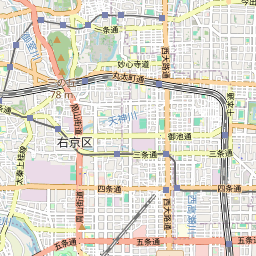
In the heart of Kyoto, surrounded by massive stone walls and moats, stands the famous Nijō Castle (Nijō-jō), the former Kyoto residence of the Tokugawa shogunate. While most Japanese castles across the country were primarily towering military fortresses, Nijō Castle is a sprawling, magnificent palace complex that reflects the raw power, accumulated wealth, and refined artistic taste of the shoguns. This site is not only a silent witness to the rise and fall of the samurai era but also one of Japan's most significant examples of historic wooden architecture preservation and sustainable heritage tourism.
- Cash
- Bank card accepted
The Stage of History and the Singing Floors
The construction of the castle was ordered in 1601 by Tokugawa Ieyasu, the first shogun of the Tokugawa dynasty, after he unified Japan. The construction was completed in 1603, and the palace served a dual purpose: it provided a secure residence for the shogun when visiting the imperial capital and demonstrated to the emperor who truly ruled the country. Ironically, in 1867, it was in the Ninomaru Palace of Nijō Castle that the last shogun, Tokugawa Yoshinobu, announced his resignation in favour of the emperor, ending over 250 years of samurai rule and initiating the Meiji Restoration.
The most famous and best-preserved part of the castle complex is the Ninomaru Palace, which consists of six interconnected buildings and represents the pinnacle of classical Momoyama-period architecture. The walls and sliding doors of the halls are adorned with gilded murals by the masters of the Kanō school, depicting tigers, peacocks, and ancient pines.
One of the palace's most fascinating defensive innovations is the famous nightingale floor (uguisubari). The wooden flooring of the corridors was designed so that when someone walks on them, the metal clamps beneath the floorboards rub against each other, producing a sound similar to the chirping of a nightingale. This ingenious built-in alarm system made it impossible for assassins or spies to approach the shogun undetected.

Why is it a UNESCO World Heritage Site?
In 1994, Nijō Castle was added to the UNESCO World Heritage List as part of the Historic Monuments of Ancient Kyoto. The recognition is based on the fact that Ninomaru Palace is the only surviving example of a feudal palace in the shoin-zukuri architectural style in Japan, preserving its 17th-century interiors in their original form.
Additionally, the surrounding Ninomaru Garden is a masterpiece of landscape architecture by the renowned architect and tea master Kobori Enshū. Designed with a pond, islands, and symmetrically placed rocks, the garden was created to present a perfect composition when viewed from the palace rooms. The original murals and wood carvings that adorn the walls are invaluable relics of the golden age of Japanese fine arts.

Nijō Castle and Sustainable Tourism
Due to its proximity to central Kyoto and its historical significance, Nijō Castle attracts thousands of visitors daily. However, the large number of visitors poses significant preservation challenges for a nearly 400-year-old complex made almost entirely of wood. The centuries-old wooden floors wear down faster due to constant foot traffic, while exhaled moisture and dust threaten the unprotected murals. As a result, the castle administration has implemented strict rules, including prohibiting shoes and photography inside the interiors.
Responsible tourism begins with respecting cultural heritage and mindful visiting. It is advisable to arrive at the castle right at opening time or in the early afternoon when the group bus tours have passed, allowing the sound of the nightingale floors to be heard more clearly. Since walking inside the palace requires wearing socks, it is also important to avoid stepping on the thresholds of sliding doors, as this can deform their structure. After exploring the palace building, take time to enjoy the outer gardens, where the open park areas help disperse the crowds. By purchasing an admission ticket, you directly contribute to the ongoing restoration projects, where local artisans are gradually restoring the palace's roof structure and artworks.
- Editorial Content -

Target group
-
Class trips
-
Families with younger children
-
Families with older children
-
Multigenerational programs
-
Friends
-
Seniors
-
Couples