-

Photo: CNIPT Toplița -

Photo: Partia Toplita -

Photo: Visit Toplita Facebook oldal


Maroshévíz
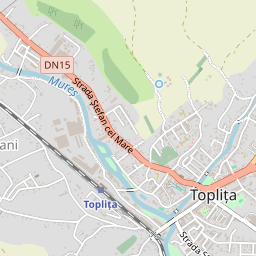
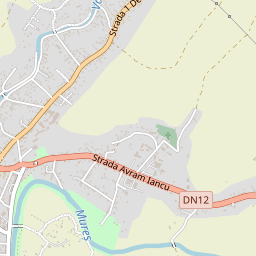
Maroshévíz városa kedvező földrajzi helyzetben fekszik mind a megközelíthetőség, mind a szomszédos térségekkel, illetve az ország távolabbi részeivel való kapcsolatok szempontjából. Hargita megyében található, a Gyergyói-medence északi részén, a Maros felső szakaszán, ott, ahol a Maros belép a Toplița–Deda szorosba.
Megközelítési lehetőségek:
Közúton:
DN 15: Bákó felől (179 km), Piatra Neamț felől (119 km), Borszék felől (24 km), Erdőszentgyörgy felől (70 km), Marosvásárhely felől (100 km)
E 578 / DN12: Brassó felől (190 km), Sepsiszentgyörgy felől (160 km), Csíkszereda felől (92 km)
Vasúton:
Brassó–Sepsiszentgyörgy–Tusnád–Csíkszereda–Gyergyószentmiklós–Toplița–Deda–Dés–Zilah–Nagybánya–Szatmárnémeti
Maroshévíz a Kelemen-, a Gyergyói- és a Görgényi-havasok lábánál fekszik, 650–680 méteres tengerszint feletti magasságban, és 98 km-re található a megye székhelyétől, Csíkszeredától. Ptolemaiosz történetíró koordinátái szerint a város térségében egy fel nem tárt dák erőd, Sangidava is létezhetett. A XIII. században a környéken megtelepedtek az első székely családok. A települést először 1567-ben említik írásos források. 1956-ban nyilvánították várossá, 2002-ben pedig municípiumi rangot kapott. A település neve az idők során többször változott: Taplócza, Toplicza, Gyergyó-Toplicza, majd 1861. február 3-tól Oláh-Toplicza, később 1907. január 1-jétől Maroshévíz (1918-ig), amikor is a Toplița Română nevet kapta. Magyarul és románul egyaránt „meleg vizes forrást” jelent; szláv eredetű szó.
Maroshévízről a legrégebbi kartográfiai, dokumentált említés 1382-ből származik.
1658-ból valók az első utalások a maroshévízi mezotermális forrásokra is, amelyeket „Bánffy-fürdő” és „Urmánczy-strand” néven ismertek, és amelyek „hírnévre méltó állapotban” voltak. Nem véletlen, hogy korának jelentős személyiségei jártak ide gyógykezelésre. Közéjük tartozott II. Rákóczi György, Erdély fejedelme is, aki a fogarasi várból levelet küldött Mihai Șiklodi részére, „Thermis Gyorgyoiensis”-ből (a gyergyói Toplița melegfürdőiből).
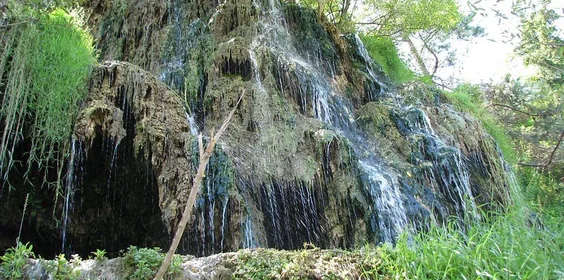
A turizmus a város fejlődésének valós és biztos alapját képezi, amit a település feltételezett, kiaknázatlan turisztikai potenciálja is támogat: egyrészt a természeti környezet, a helyi ásványvizek és termoásványvizek, másrészt az időtálló történelmi és kulturális emlékek révén. A környék festői látnivalói túrák és hegyi kirándulások keretében látogathatók a Kelemen-havasokban (például az „Iezer Kelemen-tó” természetvédelmi terület és a Kelemen Nemzeti Park), a Görgényi-havasokban (Maroshévíz termálvízesése – a város területén –, a Coloape-sziklák), valamint a Maros Toplița–Deda szorosában.
Maroshévíz municípium a turisták számára számos minősített szálláshelyet biztosít 1–4 csillagos kategóriában: szállodákat, panziókat, turistaházakat, kiadó szobákat, kemping jellegű faházakat, glampinget, villákat stb.
A vendéglátó egységek 2 és 3 csillagos besorolásúak. Vannak helyi gasztronómiai pontok, egy szamárfarm, zöldség- és konyhakerti növényeket termesztő üvegházak, valamint homoktövis- és erdei gyümölcsültetvények is. A hozzáértő szakácsok hagyományos, ízletes és kifinomult ételekkel kényeztetik a turistákat, kellemes és pihentető környezetben.
A turisták számára kínált rekreációs és szabadidős szolgáltatások változatosak; évszaktól függően az alábbiak vehetők igénybe: 2 olimpiai méretű mezotermálvizes medence (Bánffy-strand, Urmánczy-strand), 1 wellnessközpont (Bánffy Wellness Központ: kültéri mezotermálvizes medence, beltéri medence, jacuzzi, gőz- és finn szauna, sókamra, fitneszterem, masszázs), 3 sípálya (egy közepes nehézségű és két könnyű, összesen 2,5 km hosszúságban, éjszakai világítással és hóágyúkkal), lovasközpont (lovasoktatás, lovaglás vagy szánkózás, lovastúrák), tubing, egész évben üzemelő bobpálya, teniszpályák, kiépített turisztikai útvonalak kerékpáros turizmushoz, mountain bike-hoz, sziklamászáshoz, sítúrához, játszóterek gyermekeknek, minifarm, horgászat hegyi patakokon vagy kifejezetten sporthorgászatra kialakított szabadidős tavakon, sporttáborok és edzőtáborok, csillagászati táborok, tájékozódási táborok stb.
Itt található a 3D „Călimani” mozi is, egy modern, korszerű filmszínház, amely ráadásul az egyetlen a térségben.
Lehetőség van természetmegfigyelő túrákra is helyi vezetőkkel (például a siketfajd dürgésének megfigyelése, a szarvasbőgés idején szervezett túrák, fotó- és videótúrák). Alkalmanként a Tărnița térségéből siklóernyős repüléseket is szerveznek.
Télen a sípályák mellett a turisták természetes jégpályákon is szórakozhatnak, részt vehetnek husky kutyák által húzott szános programokon, illetve szezonális sportversenyeken (alpesi sí- és sítúra versenyek).
A fenntartható turizmus szempontjából Maroshévíz egyre inkább előtérbe helyezi a helyi természeti erőforrások felelős hasznosítását, valamint a környezetbarát turisztikai infrastruktúra fejlesztését. A fürdők és szálláshelyek közül többen is alkalmaznak energiahatékony megoldásokat, és egyre több kezdeményezés célozza a rövid ellátási láncokra és helyi termékekre építő vendéglátást.
Maroshévíz célja, hogy a jövőben olyan élményalapú, környezetkímélő desztinációként működjön, ahol a látogatók nemcsak pihennek és feltöltődnek, hanem részt is vesznek a helyi közösség és ökoszisztéma fenntartásában.
Getting there and arrival
- Walk
- Horseback
- Bike
- Electric bicycle
- Bus (rented for the trip)
- Motorcycle
- Railway
- Car
Transport options in the destination
- Walk
- Bike
- Electric bicycle
- Car
- Bus (rented for the trip)
- Motorcycle
Sights, programs

What will you find here?
-
Public area
-
Sights
Public transport
- railway
- bus
Parking information
- Free outdoor parking available
- Electric car charging available (free)
- Electric car charging available (paid)
- Free bus parking available
- Guarded open parking
Sustainability status report
Topic 1: Destination Management 60%
- Visitor management: 2/5 70%
- Commitment and organization: 1/4 62%
- Design & development: 1/6 17%
- Monitoring and reporting: 2/4 50%
- Legal and ethical compliance: 2/2 100%
Topic 2: Nature and landscape 90%
- Nature and wildlife protection: 3/3 100%
- Nature and conservation: 3/5 80%
Topic 3: Environment and climate 66%
- Land use and pollution: 3/3 100%
- Water management: 4/5 80%
- Energy, sustainable mobility and climate change: 0/7 0%
- Adaptation to climate change: 1/2 50%
- Waste and recycling: 5/5 100%
Topic 4: Culture and traditions 12%
- Cultural heritage: 0/3 0%
- People and traditions: 1/4 25%
Topic 5: Social Welfare 51%
- Health and safety: 1/2 50%
- Local economy: 1/5 20%
- Socio-economic impacts: 1/2 50%
- Community participation: 2/4 50%
- Human dignity: 6/7 86%
Topic 6: Business and Communication 78%
- Business participation: 5/9 56%
- Information and marketing: 3/3 100%