-

사진: Innotime -

사진: Innotime -

-

사진: Innotime -


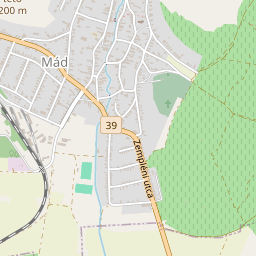
Mád
In the first half of the 16th century, Paracelsus recalled his visit to Tokaj-Hegyalja as follows: "I saw with my own eyes when I traveled through Upper Hungary and visited Tokaj, along with its surroundings—Mád, Tarcal, and Tállya. One of the hosts showed me a split grapevine, in which fine golden threads ran along its length, similar to those used for weaving.” Although golden grapevines are not found in Mád, the grapes grown here and the wines made from them are considered extraordinary, even within Tokaj-Hegyalja. This is due to the mineral-rich soil of the vineyards, which has made Mád’s wines renowned for their healing properties for centuries. Additionally, zeolite mined near the town, often referred to as "healing stones," is used for medical purposes.
Mád is rightfully famous for its flavorful wines, fertile vineyards, and the many renowned winemakers who cultivate them. The first written record of the settlement dates back to 1255, while the earliest mention of viticulture is from 1332. Throughout the Middle Ages, several landowning dynasties resided here, intertwining the town’s history with that of its lords. Mád gained market town status in 1620, and throughout history, it has always been a prominent location for producing excellent Hungarian wines. Its residents were known for their prosperity and visible wealth, building their houses from stone and storing their wines in carefully crafted cellars and barrels.
찾아가는 방법
- 도보
- 말
- 자전거
- 전기 자전거
- 대여 버스
- 오토바이
- 자동차
도착
- 도보
- 말
- 자전거
- 전기 자전거
- 공공 버스
- 대여 버스
- 오토바이
- 자동차
명소, 프로그램
숙박 시설
여기에서 무엇을 찾을 수 있나요?
-
관광 명소
이 목적지를 포함하는 경로


경로 보기

대중교통
- 버스
주차 정보
- 무료 야외 주차 가능
- 무료 버스 주차 가능
지속 가능성 상태 보고서
주제 1: 목적지 관리 36%
- 방문자 관리: 4/5 80%
- 헌신 및 조직: 0/4 0%
- 디자인 및 개발: 0/6 0%
- 모니터링 및 보고: 2/4 50%
- 법적 및 윤리적 준수: 1/2 50%
주제 2: 자연 및 경관 70%
- 자연 및 야생 동물 보호: 3/3 100%
- 자연 및 보존: 2/5 40%
주제 3: 환경 및 기후 16%
- 토지 이용 및 오염: 0/3 0%
- 물 관리: 1/5 20%
- 에너지, 지속 가능한 이동성 및 기후 변화: 0/7 0%
- 기후 변화에 대한 적응: 0/2 0%
- 폐기물 및 재활용: 3/5 60%
주제 4: 문화와 전통 67%
- 문화 유산: 1/3 33%
- 사람과 전통: 4/4 100%
주제 5: 사회 복지 17%
- 건강 및 안전: 0/2 0%
- 지역 경제: 3/5 60%
- 사회경제적 영향: 0/2 0%
- 지역사회 참여: 1/4 25%
- 인간 존엄성: 0/7 0%
주제 6: 사업 및 커뮤니케이션 56%
- 사업 참여: 1/9 11%
- 정보 및 마케팅: 3/3 100%