-

Foto: Innotime -

Foto: Innotime -

-

Foto: Innotime -


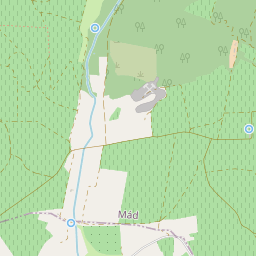
Mád
In the first half of the 16th century, Paracelsus recalled his visit to Tokaj-Hegyalja as follows: "I saw with my own eyes when I traveled through Upper Hungary and visited Tokaj, along with its surroundings—Mád, Tarcal, and Tállya. One of the hosts showed me a split grapevine, in which fine golden threads ran along its length, similar to those used for weaving.” Although golden grapevines are not found in Mád, the grapes grown here and the wines made from them are considered extraordinary, even within Tokaj-Hegyalja. This is due to the mineral-rich soil of the vineyards, which has made Mád’s wines renowned for their healing properties for centuries. Additionally, zeolite mined near the town, often referred to as "healing stones," is used for medical purposes.
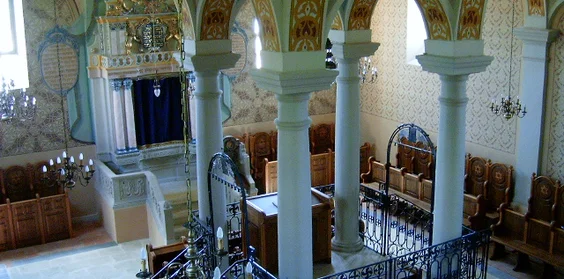
Mád is rightfully famous for its flavorful wines, fertile vineyards, and the many renowned winemakers who cultivate them. The first written record of the settlement dates back to 1255, while the earliest mention of viticulture is from 1332. Throughout the Middle Ages, several landowning dynasties resided here, intertwining the town’s history with that of its lords. Mád gained market town status in 1620, and throughout history, it has always been a prominent location for producing excellent Hungarian wines. Its residents were known for their prosperity and visible wealth, building their houses from stone and storing their wines in carefully crafted cellars and barrels.
Como chegar
- A pé
- Com um cavalo
- De bicicleta
- De bicicleta elétrica
- De ônibus (alugado para a viagem)
- De moto
- De carro
Chegada
- A pé
- Com um cavalo
- De bicicleta
- De bicicleta elétrica
- De ônibus público
- De ônibus (alugado para a viagem)
- De moto
- De carro
Atrações, programas
Todos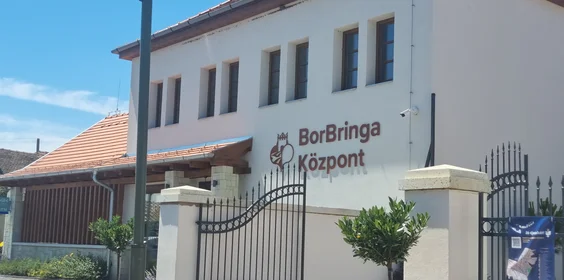
Acomodações

O que você encontrará aqui?
-
Pontos turísticos
Rotas com este destino


Ver rota

Ver rota

Transporte público
- ônibus
Informações de estacionamento
- Estacionamento externo gratuito disponível
- Estacionamento gratuito para ônibus disponível
Relatório de status de sustentabilidade
Tópico 1: Gestão de Destinos 36%
- Gerenciamento de visitantes: 4/5 80%
- Compromisso e organização: 0/4 0%
- Design e desenvolvimento: 0/6 0%
- Monitoramento e relatórios: 2/4 50%
- Conformidade legal e ética: 1/2 50%
Tópico 2: Natureza e paisagem 70%
- Proteção da natureza e da vida selvagem: 3/3 100%
- Natureza e conservação: 2/5 40%
Tópico 3: Meio ambiente e clima 16%
- Uso da terra e poluição: 0/3 0%
- Gestão de água: 1/5 20%
- Energia, mobilidade sustentável e mudanças climáticas: 0/7 0%
- Adaptação às mudanças climáticas: 0/2 0%
- Resíduos e reciclagem: 3/5 60%
Tópico 4: Cultura e tradições 67%
- Patrimônio cultural: 1/3 33%
- Pessoas e tradições: 4/4 100%
Tópico 5: Bem-estar social 17%
- Saúde e segurança: 0/2 0%
- Economia local: 3/5 60%
- Impactos socioeconômicos: 0/2 0%
- Participação da comunidade: 1/4 25%
- Dignidade humana: 0/7 0%
Tópico 6: Negócios e comunicação 56%
- Participação empresarial: 1/9 11%
- Informações e marketing: 3/3 100%