-

照片: Innotime -

照片: Innotime -

-

照片: Innotime -


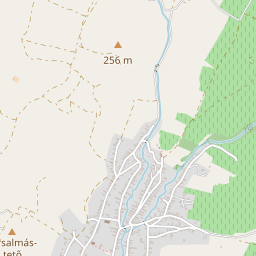
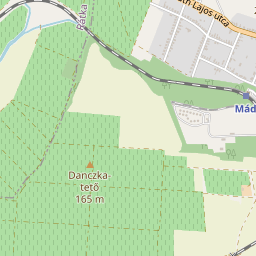
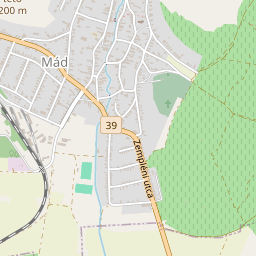
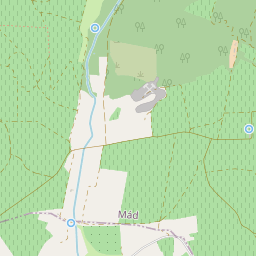
Mád
In the first half of the 16th century, Paracelsus recalled his visit to Tokaj-Hegyalja as follows: "I saw with my own eyes when I traveled through Upper Hungary and visited Tokaj, along with its surroundings—Mád, Tarcal, and Tállya. One of the hosts showed me a split grapevine, in which fine golden threads ran along its length, similar to those used for weaving.” Although golden grapevines are not found in Mád, the grapes grown here and the wines made from them are considered extraordinary, even within Tokaj-Hegyalja. This is due to the mineral-rich soil of the vineyards, which has made Mád’s wines renowned for their healing properties for centuries. Additionally, zeolite mined near the town, often referred to as "healing stones," is used for medical purposes.
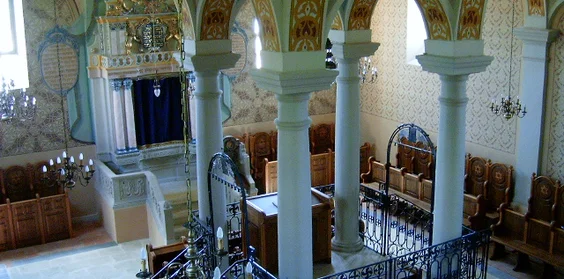
Mád is rightfully famous for its flavorful wines, fertile vineyards, and the many renowned winemakers who cultivate them. The first written record of the settlement dates back to 1255, while the earliest mention of viticulture is from 1332. Throughout the Middle Ages, several landowning dynasties resided here, intertwining the town’s history with that of its lords. Mád gained market town status in 1620, and throughout history, it has always been a prominent location for producing excellent Hungarian wines. Its residents were known for their prosperity and visible wealth, building their houses from stone and storing their wines in carefully crafted cellars and barrels.
前往方式
- 步行
- 骑马
- 骑自行车
- 电动自行车
- 租赁巴士
- 摩托车
- 驾车
到达
- 步行
- 骑马
- 骑自行车
- 电动自行车
- 公共巴士
- 租赁巴士
- 摩托车
- 驾车
景点、活动
全部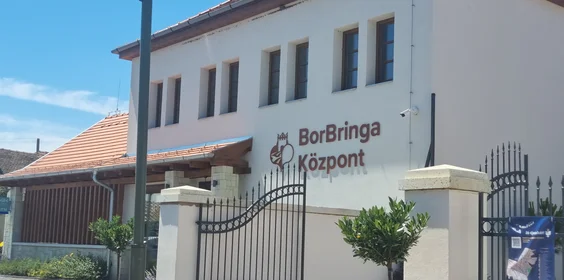
住宿
您在这里能找到什么?
途经此目的地的路线


查看路线

查看路线

公共交通
- 公交车
停车信息
- 可用免费室外停车场
- 可用免费巴士停车场
可持续性现状报告
主题 1:目的地管理 36%
- 游客管理: 4/5 80%
- 承诺和组织: 0/4 0%
- 设计和开发: 0/6 0%
- 监测和报告: 2/4 50%
- 法律和道德合规性: 1/2 50%
主题 2:自然和景观 70%
- 自然与野生动物保护: 3/3 100%
- 自然与保护: 2/5 40%
主题 3:环境和气候 16%
- 土地使用和污染: 0/3 0%
- 水资源管理: 1/5 20%
- 能源、可持续流动性和气候变化: 0/7 0%
- 适应气候变化: 0/2 0%
- 废物和回收: 3/5 60%
主题 4:文化和传统 67%
- 文化遗产: 1/3 33%
- 人民和传统: 4/4 100%
主题 5:社会福利 17%
- 健康与安全: 0/2 0%
- 当地经济: 3/5 60%
- 社会经济影响: 0/2 0%
- 社区参与: 1/4 25%
- 人类尊严: 0/7 0%
主题 6:商业与沟通 56%
- 商业参与: 1/9 11%
- 信息和营销: 3/3 100%