-

Photo: Innotime -

Photo: Innotime -

-

Photo: Innotime -


Mád
In the first half of the 16th century, Paracelsus recalled his visit to Tokaj-Hegyalja as follows: "I saw with my own eyes when I traveled through Upper Hungary and visited Tokaj, along with its surroundings—Mád, Tarcal, and Tállya. One of the hosts showed me a split grapevine, in which fine golden threads ran along its length, similar to those used for weaving.” Although golden grapevines are not found in Mád, the grapes grown here and the wines made from them are considered extraordinary, even within Tokaj-Hegyalja. This is due to the mineral-rich soil of the vineyards, which has made Mád’s wines renowned for their healing properties for centuries. Additionally, zeolite mined near the town, often referred to as "healing stones," is used for medical purposes.
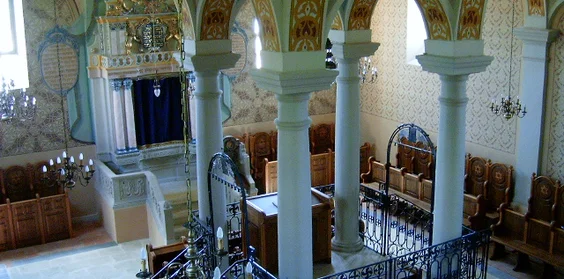
Mád is rightfully famous for its flavorful wines, fertile vineyards, and the many renowned winemakers who cultivate them. The first written record of the settlement dates back to 1255, while the earliest mention of viticulture is from 1332. Throughout the Middle Ages, several landowning dynasties resided here, intertwining the town’s history with that of its lords. Mád gained market town status in 1620, and throughout history, it has always been a prominent location for producing excellent Hungarian wines. Its residents were known for their prosperity and visible wealth, building their houses from stone and storing their wines in carefully crafted cellars and barrels.
Accès
- Marche
- Cheval
- Vélo
- Vélo électrique
- Autobus (loué pour le voyage)
- Moto
- Voiture
Arrivée
- Marche
- Cheval
- Vélo
- Vélo électrique
- Transports en commun (autobus)
- Autobus (loué pour le voyage)
- Moto
- Voiture
Sites touristiques, programmes
Tout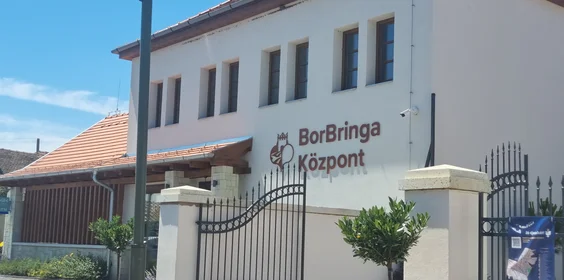
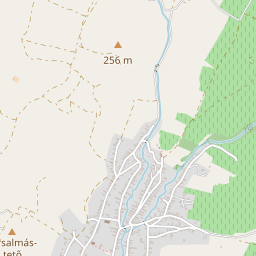
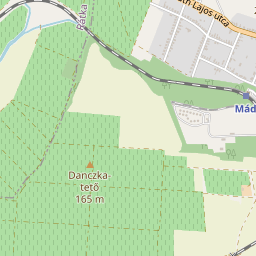
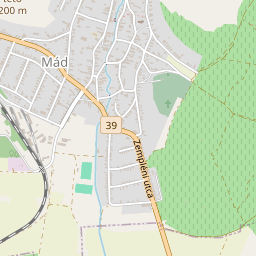
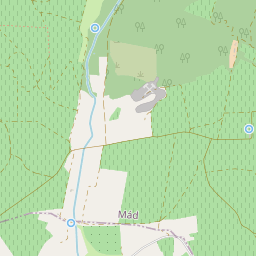
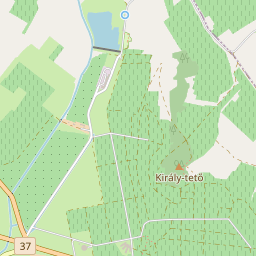
Hébergements

Que trouverez-vous ici ?
-
Sites touristiques
Itinéraires incluant cette destination


View route

View route

Transports en commun
- bus
Informations sur le stationnement
- Parking extérieur gratuit
- Parking gratuit pour autobus disponible
Thème 1 : Gestion de la destination 36 %
- Gestion des visiteurs: 4/5 80 %
- Engagement et organisation: 0/4 0 %
- Conception et développement: 0/6 0 %
- Suivi et rapports: 2/4 50 %
- Conformité légale et éthique: 1/2 50 %
Thème 2 : Nature et paysage 70 %
- Protection de la nature et de la faune sauvage: 3/3 100 %
- Nature et conservation: 2/5 40 %
Thème 3 : Environnement et climat 16 %
- Utilisation des sols et pollution: 0/3 0 %
- Gestion de l'eau: 1/5 20 %
- Énergie, mobilité durable et changement climatique: 0/7 0 %
- Adaptation au changement climatique: 0/2 0 %
- Déchets et recyclage: 3/5 60 %
Thème 4 : Culture et traditions 67 %
- Patrimoine culturel: 1/3 33 %
- Personnes et traditions: 4/4 100 %
Thème 5 : Bien-être social 17 %
- Santé et sécurité: 0/2 0 %
- Économie locale: 3/5 60 %
- Impacts socio-économiques: 0/2 0 %
- Participation communautaire: 1/4 25 %
- Dignité humaine: 0/7 0 %
Thème 6 : Affaires et communication 56 %
- Participation des entreprises: 1/9 11 %
- Information et marketing: 3/3 100 %