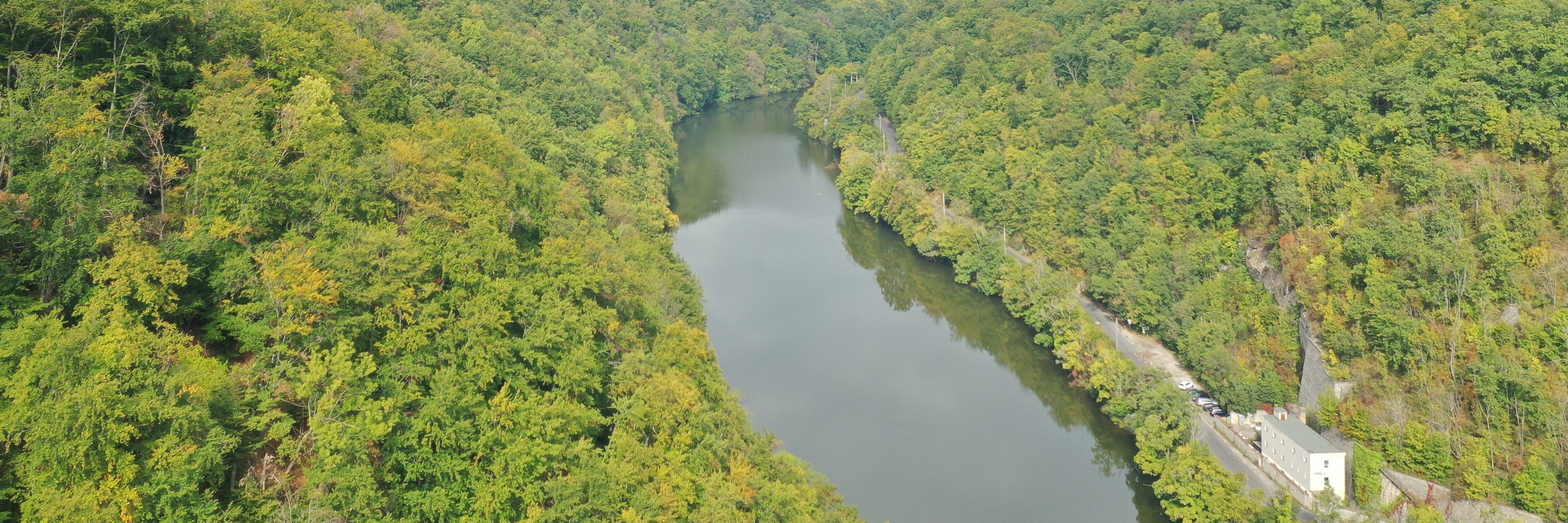
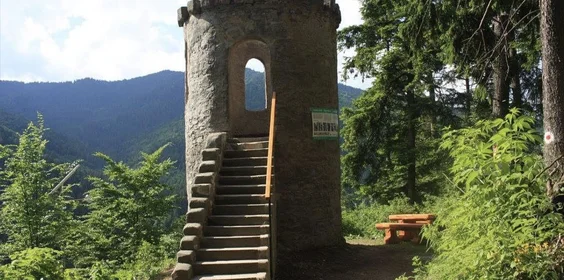
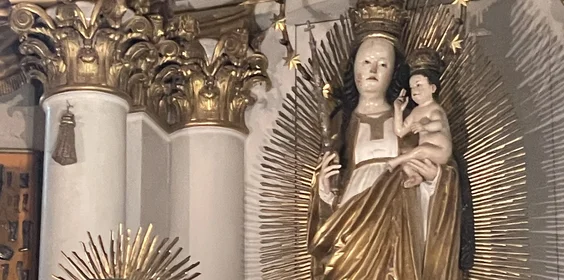
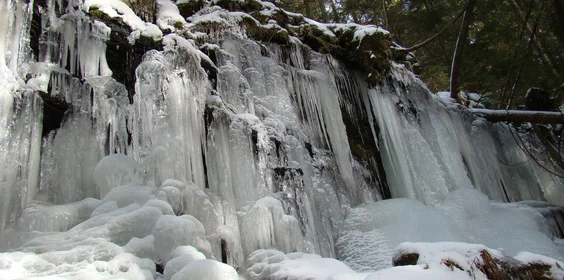
Towering above Băile Tușnad, on the slopes of Szurdok-tető, stands the picturesque Apor Bastion, which serves not only as a lookout point but also as a cultural landmark, playing an important role in the life of the region. Built in 1883, at the end of the 19th century, the structure was realised at the initiative of Baron Károly Apor, with the aim of providing a resting and viewing point for spa visitors – thus, the bastion never served a military purpose.
The Mohos Peat Bog (Tinovul Mohoș) offers a unique nature conservation experience in Székely Land, located at an altitude of 1,050 metres in the Csomád Mountains. It is the second crater lake, separated from Lake Saint Anne by a narrow ridge, and is a remnant of what was once a much larger crater lake. Today, an 80-hectare flat area is covered by a thick peat layer up to 10 metres deep – an area that was once four times larger than Lake Saint Anne. Mohos is home to Europe's botanical rarities: the round-leaved sundew – Transylvania's only carnivorous plant – as well as bog cranberry, red and black bilberry, bog rosemary, bog sedge, and over 20 species of moss can be found here.
The Church of the Blessed Virgin Mary of Csíksomlyó is one of the most renowned sacred centres in Székely Land, serving for centuries as a key site for religious life, community cohesion, and cultural heritage. Nestled among the Harghita Mountains, it offers a unique natural and spiritual atmosphere.
The Csorgókő Waterfall (in Romanian, Cascada Csorgókő) is one of the most famous natural attractions in Székelyvarság. Hidden in a valley covered with pine forests, at the meeting point of the Gurghiu Mountains and the Harghita Mountains, this picturesque cascade is fed by crystal-clear, ice-cold spring water. The waterfall is not only a spectacular natural formation but also a symbol of untouched nature for locals and visitors alike.
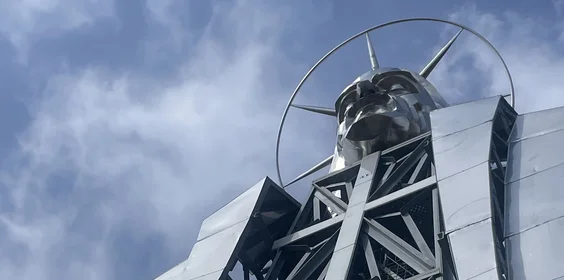
The Jesus Lookout in Farkaslaka (Lupeni in Romanian), Harghita County, stands atop Gordon Hill at an altitude of 953 metres above sea level. The monumental 22-metre-tall stainless steel Jesus statue is not only one of the most renowned landmarks of Székely Land but also one of the largest Christ statues in the world, which visitors can enter.
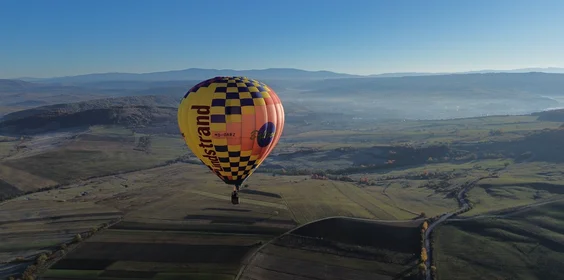
Hot Air Balloon Experience in the Heart of Transylvania Fly with us over one of Transylvania’s most beautiful regions, where, on a clear day, you can see almost the entire Transylvanian Basin! Our hot air balloon service is not just a trip – it’s a breathtaking adventure above the clouds. Guided by our experienced pilot, you can safely and peacefully enjoy the serene beauty of the landscape, while taking in unparalleled views of the Carpathian Mountains and the historic scenery. An ideal experience for anyone seeking something truly special in Transylvania.
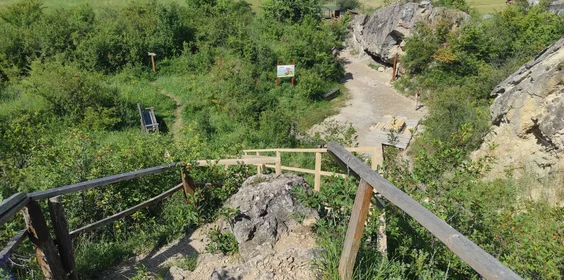
On the edge of the Korond Basin, near the picturesque village of Korond, lies Korond Snail Hill (in Romanian, Dealul Melcilor), which holds unique geological treasures. The area is officially a geological nature reserve, designated as protected in 2000, and is currently classified as a locally significant protected area in Harghita County.
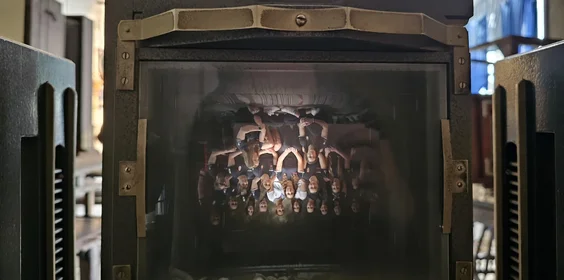
The Kováts Photography Museum operates in the city centre of Odorheiu Secuiesc and uniquely showcases over one and a half centuries of photography history as Transylvania's first permanent photography exhibition space. The museum was established from the private collection of the Kováts family and has been passionately and expertly maintained ever since – offering visitors not only technical equipment but also human stories and glimpses into a bygone world.
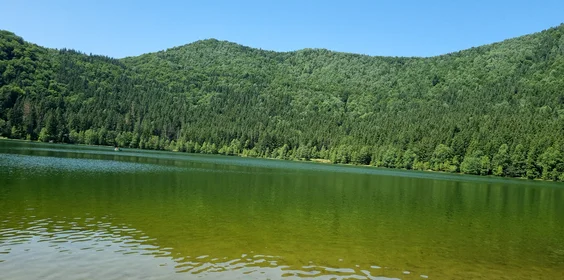
Lake Saint Anne is Romania's only volcanic lake, located in the heart of Transylvania, within the Kozmás–Tusnád–Lázárfalva area of the Csomád–Bálványos region. Its crystal-clear waters and the crater walls, shaped like a candlestick, exude a mystical charm while carrying a deeper message: the importance of safeguarding and sustainably preserving natural treasures.
Located in the heart of Lăzarea, Lázár Castle is one of the most beautiful and significant surviving examples of Transylvanian Renaissance architecture. The fortified castle, with its battlements and four towers, was considered one of the most attractive aristocratic residences of the 17th century. Tradition holds that Gabriel Bethlen, Prince of Transylvania, spent part of his childhood here.
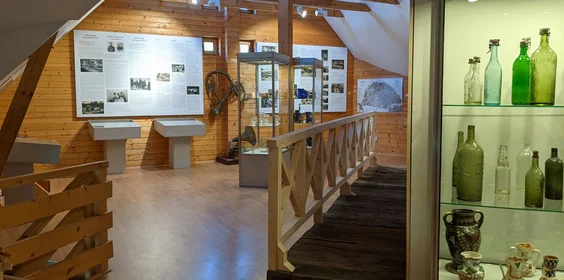
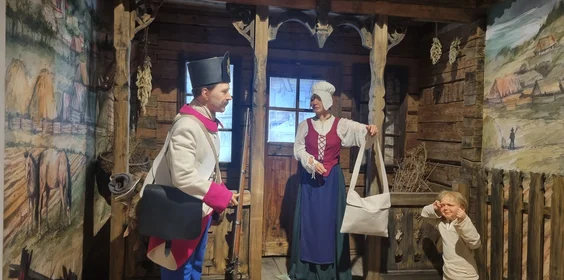
The Maroshévíz Ethnographic Museum is not just an exhibition space but a journey through time, revealing the past, daily life, and celebrations of the local community. Founded in 1998 and reorganised in 2006, the museum operates as part of the Toplița Cultural Centre and works closely with the folk ensemble “Rapsodia Călimanilor” to bring traditions to life.
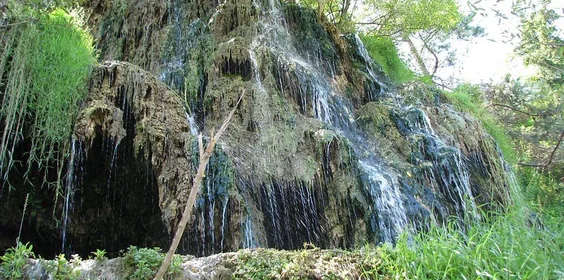
The Toplița Waterfall (in Romanian Cascada Mezotermală din Toplița) is a unique thermal waterfall with travertine formations, and one of the most beautiful natural attractions in the town of Toplița. What makes the waterfall special is that it is formed by warm mineral water at 26–27 °C, which naturally springs from the ground and cascades down a limestone terrace from a height of about 10 metres.
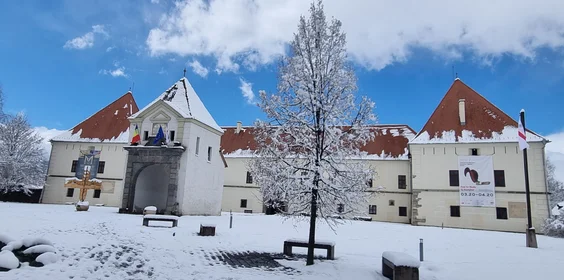
Mikó Castle is an impressive Renaissance-Baroque fortress located in the historic centre of Miercurea Ciuc, and is one of the city's most important cultural and tourist attractions. Named after Ferenc Mikó, the chief magistrate of Csík County, construction of the castle began in 1623, originally serving as a fortified noble residence. Over the centuries, it underwent several reconstructions – the Baroque features were added during 18th-century renovations.
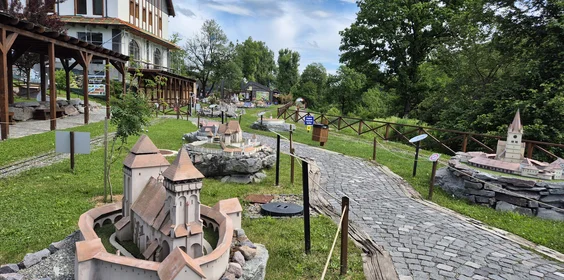
Located near Odorheiu Secuiesc, at one of the most significant memorial sites of Szekler heritage, Szelykefürdő, Mini Transylvania Park is one of Transylvania's most unique and popular family-friendly attractions. This open-air model park is not only a gem of Szeklerland tourism but also a unique intellectual and cultural bridge showcasing the architectural diversity of historic Transylvania in one place.
Owl Castle in Borsec, known in Romanian as Cetatea Bufnițelor, is one of the town's most unique natural attractions. This rugged, steep rock formation towers above the spa resort and offers a breathtaking panoramic view of the Borsec Basin, the surrounding mountains, and the distant Bistrița Valley. The name originates from the birds of prey, particularly owls, that nest around the rocks and are often observed in the area.
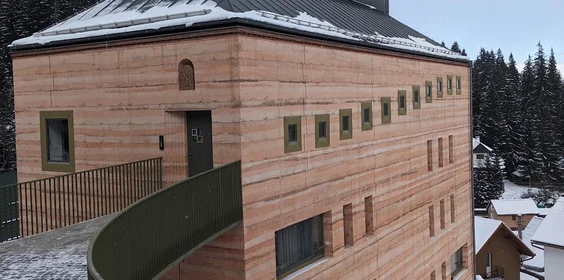
Built on a steep, forested site, the hermitage bridges multiple storeys of elevation difference and connects the strong core (chapel-library-kitchen-hearth) with the surrounding monastic cells in a 'house within a house' manner. Amid the cold Alpine landscape, all these elements are unified by a massive spiral tower, organised with mezzanine levels, acting as an inner cloister. The building, consecrated last year, embodies the simplicity shaped by the rugged mountain lifestyle, stripping away excess.
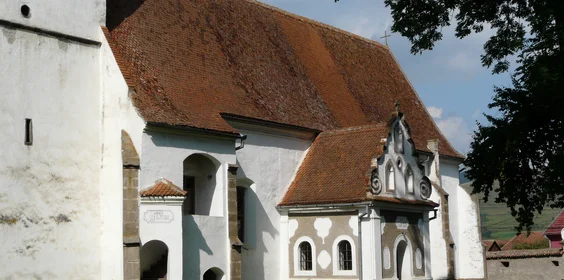
Ancient faith, enduring stone walls, and living traditions embraced by the Harghita Mountains In the heart of Székely Land, nestled among the Harghita Mountains, the Roman Catholic Church of Cozmeni (Hungarian: Csíkkozmás) is not just a religious building but also a symbol of local identity and community unity. Dedicated to Saints Cosmas and Damian, this church is one of the region's oldest and has retained its central role in the village's religious and cultural life over the centuries.
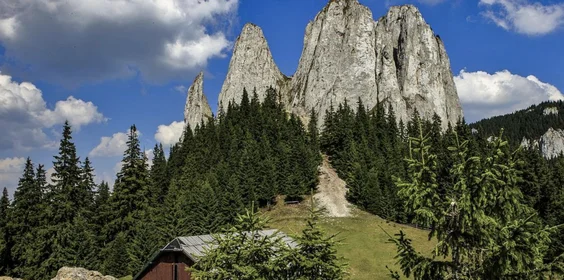
Lonely Rock (in Romanian, Piatra Singuratică) is an iconic rocky tower of the Hagymás Mountains, majestically rising to an altitude of 1,608 metres above sea level at the northern edge of the Csíki Basin. Its name reflects its character: this 'solitary rock' dramatically stands apart from the rest of the mountain range, boldly reaching towards the sky.
The Straw Hat Museum in Crișeni is one of the most unique thematic collections in Székely Land, showcasing the values of local peasant culture, craftsmanship, and community identity through a simple yet versatile object – the straw hat. Located in a traditional village house in Crișeni, Harghita County, the museum aims to preserve, revitalise, and celebrate the history, techniques, and aesthetic world of this craft.
Located in the valley of the Szejke stream, near Odorheiu Secuiesc, Szejkefürdő has been the centre of Szekler mineral water culture for decades. The natural springs – including the Sarolta Spring, known for its distinctively slightly sulphurous, petroleum-like smell – have been used as medicinal drinking water since the 18th century. Harghita County is home to nearly 2,500 different mineral water springs, offering diverse mineral compositions that provide both health benefits and cultural experiences.
The Székely Border Guard Memorial Centre opened in August 2021 in Frumoasa, Harghita County, and is one of Transylvania's most significant military and historical museums. Its purpose is not only to commemorate but also to educate, foster dialogue, and strengthen shared identity. The exhibition presents a lesser-known yet highly important chapter of Székely history – the centuries-old institution of the Székely border guards, which was simultaneously a military, social, and cultural system.
Located on the northern edge of Odorheiu Secuiesc, along the quiet forest trail leading to Mál Hill, the Székely Calvary uniquely combines spiritual reflection with the collective memory of the Székely community and contemporary artistic expression. The central element of the site is the Ugron Chapel, built in 1890 at the request of Ákos Ugron, based on the testament of his ancestor, Lázár Ugron. Originally intended as a burial chapel, the building still preserves the memory of the family’s history.
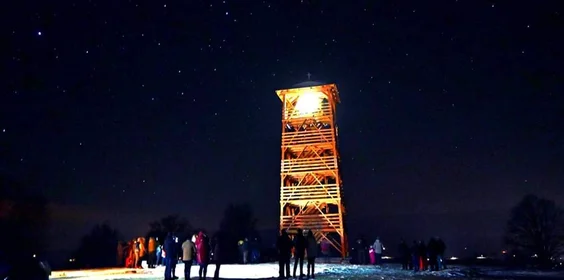
Perched on the edge of Székelyvarság, the lookout tower stands on a forested hilltop, offering an unparalleled panoramic view of the Harghita and Gurghiu Mountains. This simple yet elegant wooden structure is a perfect example of how to admire the landscape with respect – free from artificial influences, using natural materials, and blending seamlessly into the environment.
The Ugron Castle in Fiatfalva is one of the most valuable historical monuments in Harghita County, preserving over 550 years of history in the heart of the Nyikó Valley.
The Watermill Guesthouse is Székelyvarság's hidden gem. Nestled in the heart of the picturesque Székelyvarság, surrounded by forests and mountains, the Watermill Guesthouse offers an unforgettable experience of closeness to nature and traditional Székely hospitality to all its visitors.
The map loads from Google Maps.
© OpenStreetMap contributors