Szerencs Castle
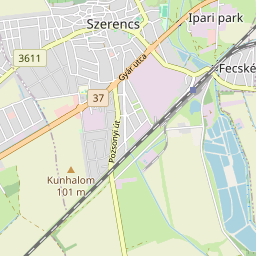
The town of Szerencs lies at the western gateway to the Tokaj-Hegyalja wine region, with its most prominent architectural heritage and cultural centre being the Szerencs Rákóczi Castle. Once a fortress surrounded by water, rising from the marshy floodplains of the region, it is now not only a witness to bygone times but also a dynamic hub for regional tourism and sustainable community life.
- Cash
- Bank card accepted
The history of the castle
The castle grounds were inhabited as early as the Middle Ages, with a monastery of the Knights Hospitaller standing here in the 12th century. The strategic importance of the settlement and the fortress truly grew in the decades following the Battle of Mohács. In the mid-16th century, Ferenc Nemeti, the castellan of Tokaj, transformed the former ecclesiastical buildings into an irregular quadrilateral fortress with an inner tower and a moat, serving as a defensive stronghold against invaders and neighbouring lords.
The golden age of the castle is tied to the Rákóczi family. After Zsigmond Rákóczi acquired the estate in 1586, he used it as the base for building his economic and political power. One of the most significant events in Hungarian history took place here in 1605, when István Bocskai was elected Prince of Transylvania at the Szerencs Diet. Later, the castle remained a key stronghold for the Rákóczi War of Independence and the princely family. After losing its military role, the building functioned as a manor house, and during the 18th and 19th centuries, it was expanded with Baroque and Romantic architectural elements, while parts of its fortifications were dismantled and its moats filled in.

Modern functions
Thanks to modern heritage restoration efforts, Szerencs Rákóczi Castle is now the vibrant cultural and tourist heart of the town. Within its walls, you'll find the Zemplén Museum, home to one of Europe's largest postcard collections, an exhibition on the history of Szerencs' renowned chocolate production, and a local history collection.
The castle's inner courtyard and theatre hall regularly host high-quality performances, concerts, and the region's prominent gastronomic and cultural festivals. The building also houses a hotel and restaurant, offering guests the chance to relax in an authentic, historical setting, while the castle garden, complete with a lake and walking paths, serves as a popular leisure park for both locals and tourists.

Sustainable tourism connections
Szerencs Rákóczi Castle is an excellent example of how a historical monument can become a model for sustainable and responsible tourism. The castle is easily accessible via the dedicated cycling routes that traverse Hegyalja, making it an ideal low-carbon destination for cyclists arriving from Mád, Tállya, or Tokaj. Its proximity to the railway station also ensures convenient and eco-friendly access for those travelling by public transport.
The lake and park surrounding the castle provide an excellent setting for leisurely walks and slow travel experiences that respect the natural environment. During the castle's functional transformation, special attention was given to preserving its architectural heritage, while the fairs and events held within its walls actively support Tokaj-Hegyalja winemakers, local artisans, and regional producers, contributing to the sustainable circular economy of the area.
- Editorial content -

Target group
-
Class trips
-
Families with older children
-
Multigenerational programs
-
Friends
-
Seniors
-
Couples