Route properties
- Available transport
- Target groups
Route plan
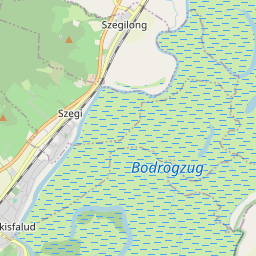
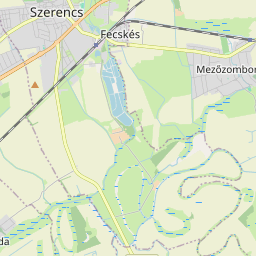
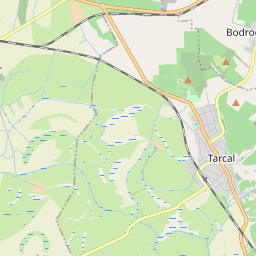
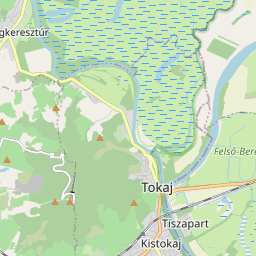
Here you can see where you start, what you pass through and where you arrive.
-
The Treasure Trove of Bodrogkeresztúr Place -
The Acetania Vinegar Museum Place
-
The Rákóczi House Place
-
Philip the stork - stork nests Place
-
Greek Catholic Church Place -
Former Synagogue Place
-
Bodrog river Place
-
The viewpoint Place
-
Roman Catholic Church Place
-
Csicsörke Manufactory Place
-
Mád Synagogue Place
-
Szerencs Castle Place
Locations on this route
-
The Treasure Trove of Bodrogkeresztúr Keresztúr was inhabited already in prehistoric times. This is evidenced by the discovery of the two great artefact assemblages discovered. -
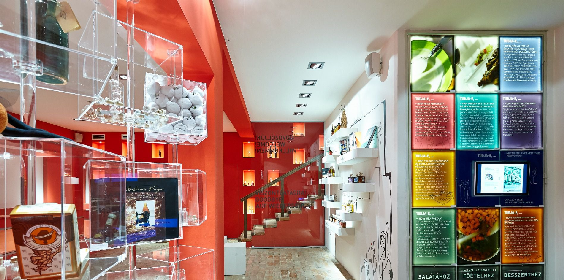
The Acetania Vinegar Museum The word vinegar does not always conjure up images of premium gastronomic value. It more reminds us of the cleaning techniques of our grandmothers, or the taste of bean soup with vinegar added.
-
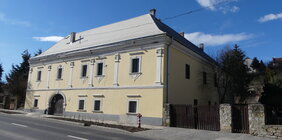
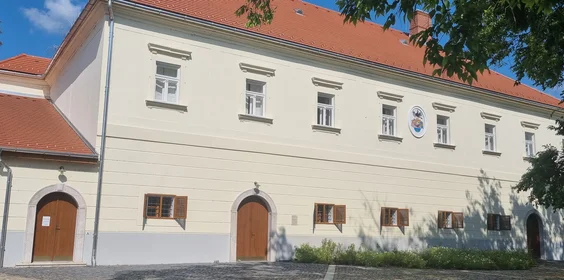
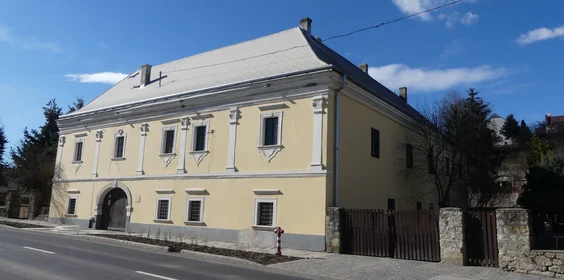
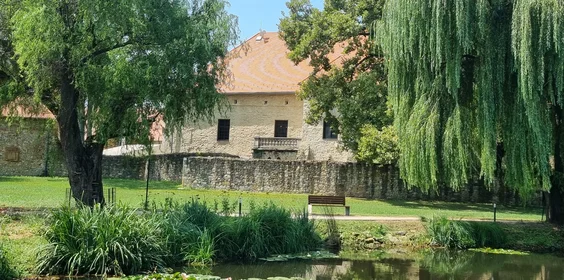
The Rákóczi House The building block with 4 living rooms, served as a residence for the Rákóczi family mainly during the grape harvests. The Baroque house was built in the 17th century but was somewhat rebuilt a century later and can still be viewed in this form. The house is the oldest non-church building in the village and still bears a Latin inscription on its walls: "Peace be within your fortress walls, and quietness in your palaces”.
-
Philip the stork - stork nests A few years ago, the main street of the village had many overhead cables, which posed a constant threat to birds in the area. The proximity of the Bodrog river makes Bodrogkeresztúr a popular habitat for storks. However, the death of Fülöp the stork, who had lived in the village for 12 years, in 2018, has also highlighted the problem of overhead cables.
-
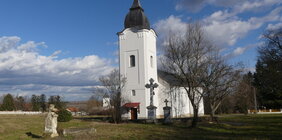
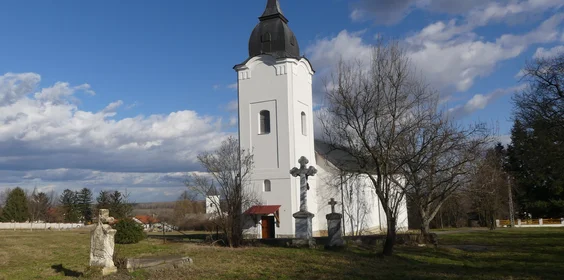
Greek Catholic Church The Greek Catholic parish of Bodrogkeresztúr was founded in 1766. -
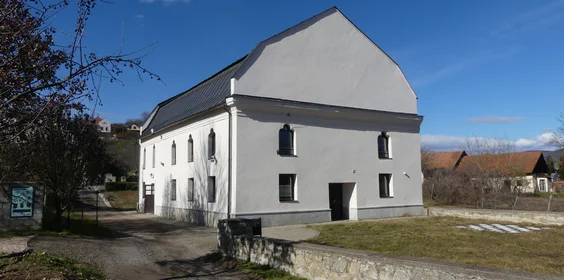
Former Synagogue According to the census of 1723-24, there were already 7 Jewish families living in Bodrogkeresztúr, and their number increased steadily during the 18th century. The strengthening of the community and the religious life is shown by the fact that the first rabbi of the Jewish community of Pest, Israel Wahrmann, was the rabbi of Bodrogkeresztúr prior to 1765, and there are records from the same year that the Bodrogkeresztúr fair was visited by Jewish merchants from Pest county. A few decades later, in 1786, 256 Jewish inhabitants were recorded in the settlement, in 65 households.
-
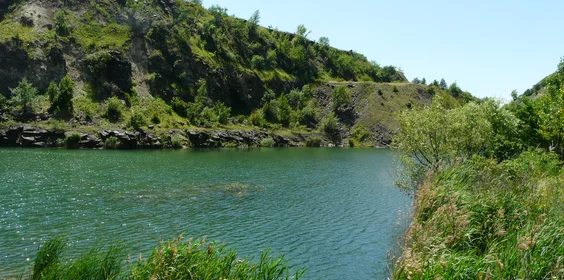
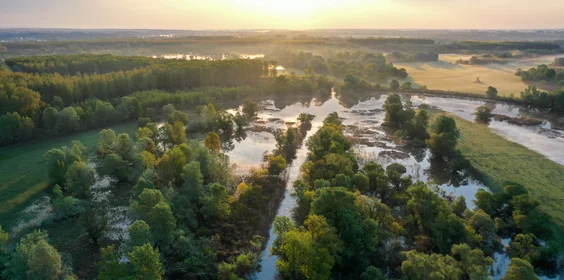
Bodrog river The Bodrog river is one of the most distinctive floodplain rivers of the Carpathian Basin, shaping the everyday life of communities along its banks for centuries. Settlement patterns, transport routes and traditional livelihoods have long adapted to the river’s water regime: older village centres were typically established on higher ground to avoid floods, while floodplain meadows, gallery forests and oxbow lakes formed a diverse and dynamic landscape closer to the river. The Bodrog represented not only a challenge, but also a vital resource. Its fish-rich waters, riverside orchards and meadows, and its humid microclimate contributed to local livelihoods and, in several areas, indirectly supported the unique climatic conditions of the Tokaj wine region.
-
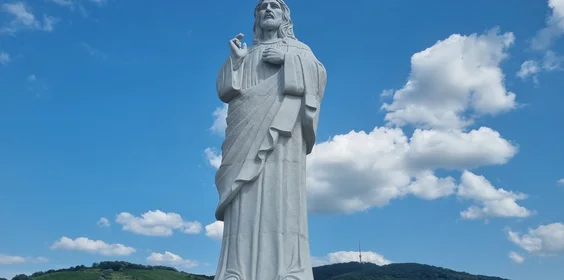
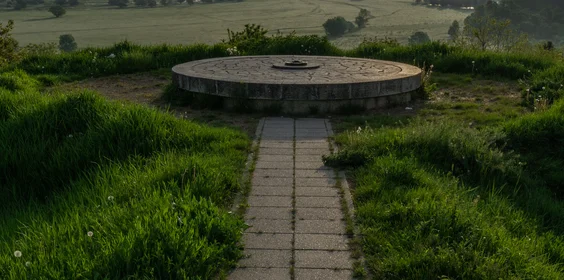
The viewpoint If you walk up to the viewpoint above the village, you can not only enjoy the spectacular view, but also get a sense of the mystical nature that the people of the area attributed to their natural environment for centuries. The local tales – told by the admiring and humble people - present a world where people do not dominate nature, but submit to its laws, and in return, nature gives them all the good things they can imagine.
-
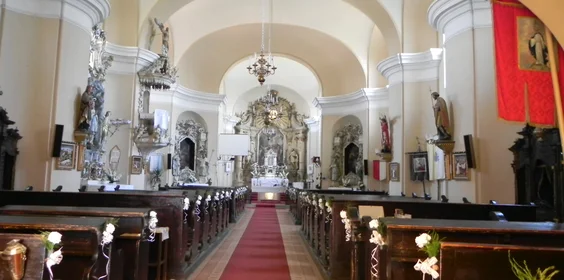
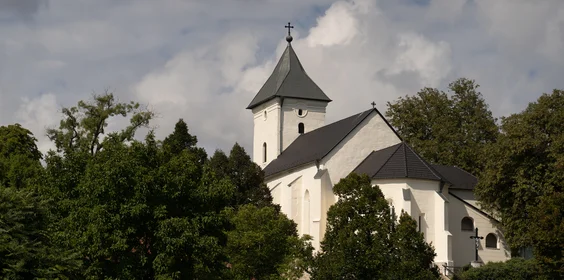
Roman Catholic Church The Roman Catholic church dedicated to the Exaltation of the Holy Cross dates back to the 13th century.
-
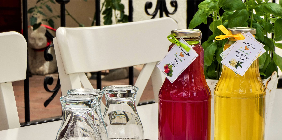
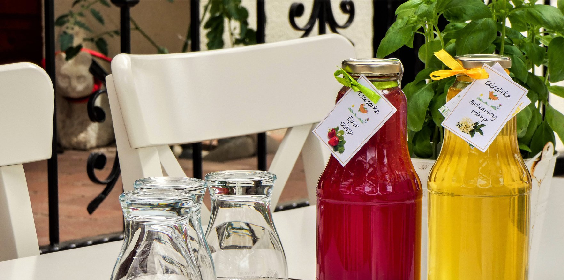
Csicsörke Manufactory Confitures, jams, syrups and other specialities, made of locally grown fruits, following family recipes, without preservatives.
-
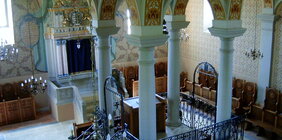
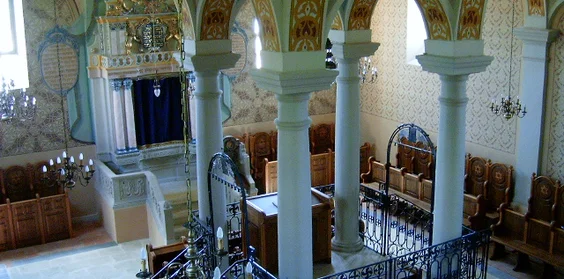
Mád Synagogue Tokaj-Hegyalja is not only renowned for its world-famous wines and unique cultural landscape but also for its rich religious and cultural diversity. One of the most outstanding and internationally recognised monuments of the wine region's architectural and intellectual heritage is the Mád Synagogue. This stunning neoclassical monument, built in the copf style, serves as a fitting tribute to the once-thriving Jewish community of the region, their economic role, and their intellectual centre, while also being a key site for cultural remembrance and responsible tourism for today's visitors.
-
Szerencs Castle The town of Szerencs lies at the western gateway to the Tokaj-Hegyalja wine region, with its most prominent architectural heritage and cultural centre being the Szerencs Rákóczi Castle. Once a fortress surrounded by water, rising from the marshy floodplains of the region, it is now not only a witness to bygone times but also a dynamic hub for regional tourism and sustainable community life.
Destinations on this route
Detailed information about the route can be found on the borbringa.hu website. The route was developed by the staff of Tokaj Borvidék Fejlődéséért Nonprofit Kft., and its publication was authorised by them.
As the name of the tour suggests, this programme offers a truly classic one-day experience. It’s classic because it connects the most important and beautiful towns of the Tokaj Wine Region in a single route, and it’s perfect because the distance and elevation make it ideal for a comfortable yet content-rich full day of cycling.
The circular tour can easily start from either Mád or Tokaj. Starting from Mád, you’ll cycle along picturesque vineyard roads past Bortó and Disznókő towards the 37 main road. Crossing the main road, you’ll arrive in the heart of Bodrogkisfalud, from where you’ll head towards Bodrogkeresztúr via the railway crossing and then join the comfortable mountain-bypass cycle path.
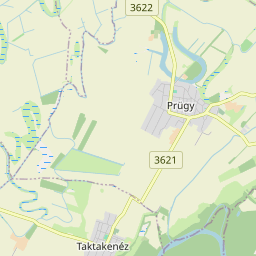
After exploring your favourite sights in Tokaj and Tarcal, you’ll leave the mountain-bypass cycle path at Tarcal and continue towards Prügy. Leaving the edge of the village, after about 500 metres, you’ll turn right onto a quiet asphalt road. Passing by a livestock farm, you’ll ride through peaceful pastures and fields to reach a crossroads, where turning right will take you into Mezőzombor.
From Mezőzombor, you’ll follow a designated cycling route and then a built cycle path to reach Szerencs. Although the route mainly skirts the edge of the town, it’s definitely worth making a short detour to visit the historic Szerencs Castle.
From Szerencs, you’ll head towards Sátoraljaújhely along the cycle path running next to the 37 main road. At the edge of the town – where the cycle path ends – you’ll turn left, cross the main road, and follow an agricultural asphalt road towards the IKR Agrár Kft. site. About 1 kilometre before the site, you’ll turn right and follow winding dirt roads to a railway crossing, from where turning right will comfortably bring you back to your starting point in Mád.
Practical Information:
-
Road Surface and Weather: Several sections of the tour (mainly between Szerencs, Mád, and Bodrogkisfalud) run on unpaved dirt roads, so the full route is not recommended in rainy or muddy conditions. However, the section between Szerencs and Tokaj is well-suited for cycling all year round, regardless of the weather.
-
Safety: The route crosses busy main roads several times. At these points, always proceed with extra caution, and at rural crossings, dismount from your bike for safety!