Route properties
- Available transport
- Target groups
Route plan
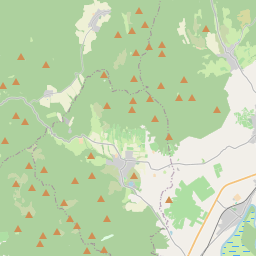
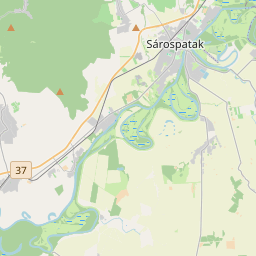
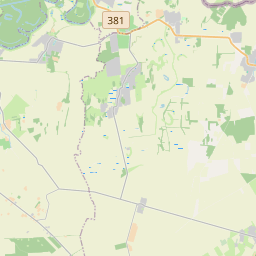
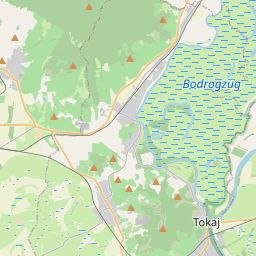
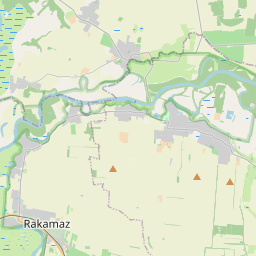
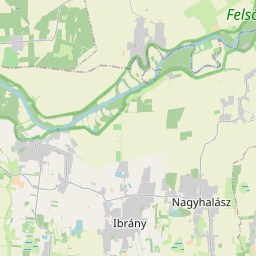
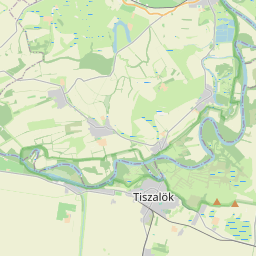
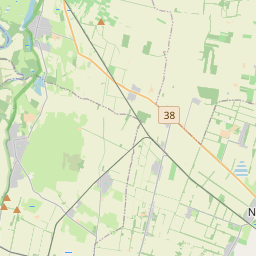
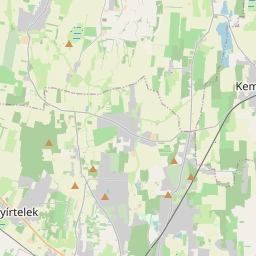
Here you can see where you start, what you pass through and where you arrive.
Locations on this route
-
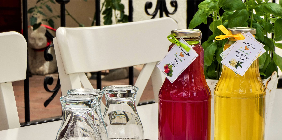
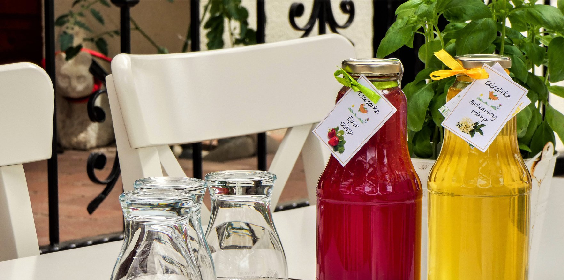
Csicsörke Manufactory Confitures, jams, syrups and other specialities, made of locally grown fruits, following family recipes, without preservatives.
-
The Treasure Trove of Bodrogkeresztúr Keresztúr was inhabited already in prehistoric times. This is evidenced by the discovery of the two great artefact assemblages discovered. -
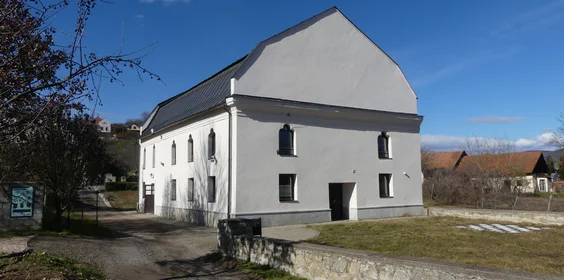
Former Synagogue According to the census of 1723-24, there were already 7 Jewish families living in Bodrogkeresztúr, and their number increased steadily during the 18th century. The strengthening of the community and the religious life is shown by the fact that the first rabbi of the Jewish community of Pest, Israel Wahrmann, was the rabbi of Bodrogkeresztúr prior to 1765, and there are records from the same year that the Bodrogkeresztúr fair was visited by Jewish merchants from Pest county. A few decades later, in 1786, 256 Jewish inhabitants were recorded in the settlement, in 65 households.
-
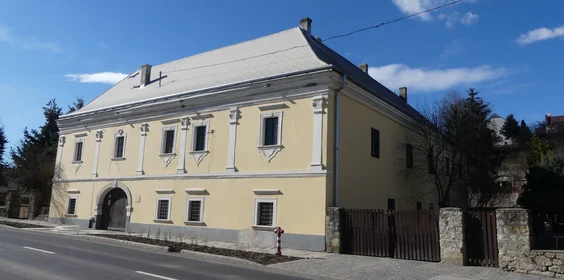
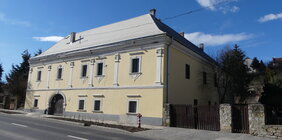
The Rákóczi House The building block with 4 living rooms, served as a residence for the Rákóczi family mainly during the grape harvests. The Baroque house was built in the 17th century but was somewhat rebuilt a century later and can still be viewed in this form. The house is the oldest non-church building in the village and still bears a Latin inscription on its walls: "Peace be within your fortress walls, and quietness in your palaces”.
-
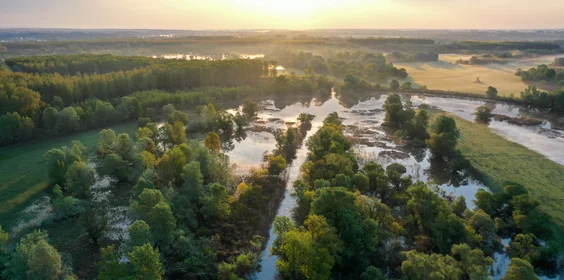
Bodrog river The Bodrog river is one of the most distinctive floodplain rivers of the Carpathian Basin, shaping the everyday life of communities along its banks for centuries. Settlement patterns, transport routes and traditional livelihoods have long adapted to the river’s water regime: older village centres were typically established on higher ground to avoid floods, while floodplain meadows, gallery forests and oxbow lakes formed a diverse and dynamic landscape closer to the river. The Bodrog represented not only a challenge, but also a vital resource. Its fish-rich waters, riverside orchards and meadows, and its humid microclimate contributed to local livelihoods and, in several areas, indirectly supported the unique climatic conditions of the Tokaj wine region.
-
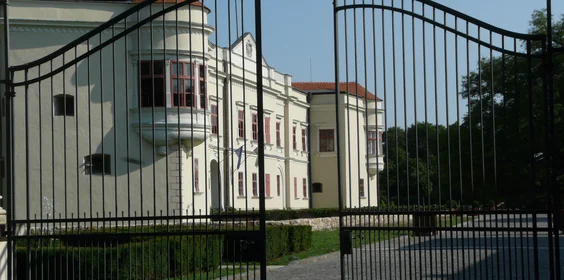
Rákóczi Castle The Sárospatak Castle, proudly towering on the banks of the Bodrog River – or as many know it, the Rákóczi Castle – is one of Hungary's most iconic monuments. This site is not just a fortress; it is a symbol of Hungarian independence and the finest example of domestic Renaissance architecture. Those who enter here embark not only on a journey through history but also into a cultural heritage that has shaped the character of Tokaj-Hegyalja for centuries. -
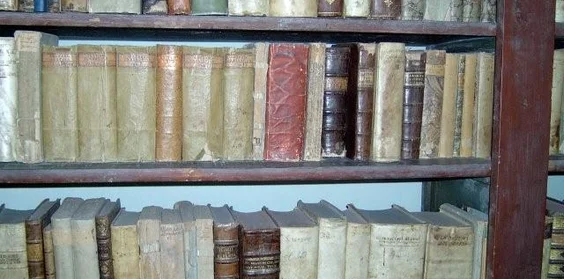
Great Library of the Reformed College of Sárospatak There are places where the tranquillity emanating from the walls and the scent of old books immediately slow down the traveller. The Great Library of the Reformed College of Sárospatak is exactly such a place: the most precious gem of the 'Athens on the Bodrog', where centuries-old knowledge meets stunning architecture. This venue is not just a collection of books but one of the most important bastions of Hungarian cultural history, still proclaiming the freedom of the mind today.
Destinations on this route
Detailed information about the route can be found on the borbringa.hu website. The route was compiled by the staff of Tokaj Wine Region Development Nonprofit Ltd., and its publication was done with their permission.
This stunning Tisza riverside circular tour is a perfect choice for a full day of cycling, but at a relaxed pace, it can even be extended into a two-day experience. Starting from Tokaj, you can decide whether to pack in the experiences or opt for a more leisurely, extended journey.
If you choose the more experience-packed pace and route, head towards Bodrogkeresztúr on the cycle path, and then continue on the low-traffic secondary road designated for cycling (route 3801) to Sárospatak. Along the way, it’s worth stopping at the Karám and Dereszla wineries in Bodrogkeresztúr, the water base in Szegi, and the Holocaust Memorial Site in Olaszliszka. Additionally, numerous charming wine cellars line the route. Upon arriving in Sárospatak, the historic Rákóczi Castle is a must-see. Since from here to Balsa – apart from the water refill point in Zalkod – there are limited opportunities to get food or drinks, make sure to stock up on supplies in Sárospatak.
After crossing the Bodrog bridge and leaving the Kispatak district, you can immerse yourself in the untamed nature. Most of the way to Zalkod is along the embankment, where asphalt, gravel, and dirt sections alternate. Fans of old industrial relics should not miss the former narrow-gauge railway bridge, and a few kilometres further, the Törökér Pump House offers a unique sight. Throughout the journey, you’ll be accompanied by beautiful floodplain landscapes and wetlands, with information boards at several points showcasing the area’s natural treasures.
Continuing on, you’ll pass through Kenézlő and then reach the famous Balsa ferry. After crossing the Tisza, you can safely cycle back to Tokaj on a dedicated cycle path, but make sure to include a stop in Szabolcs on the way back, where you can marvel at Hungary’s largest earthwork fort.
The tour is most recommended in late spring and early autumn, but it’s not advisable during muddy or rainy conditions. The route is comfortably manageable with trekking, MTB, or gravel bikes. The ferry – provided the Tisza’s water level permits – operates daily, but it’s worth checking the official Balsa ferry website before setting off.