Balaton
A Balaton Magyarország ikonikus üdülőrégiója, és Közép-Európa legnagyobb tava: a nyári „strandélmény” mellett valójában egy sokszínű, egész évben bejárható táj, ahol a vízparti pihenés természetjárással, kerékpározással, bor- és gasztroélményekkel, kulturális programokkal és aktív kikapcsolódással egészül ki. A régió különlegessége a partok eltérő karaktere: az északi oldal dombos, történelmi településekkel, tanúhegyekkel és borvidékekkel, míg a déli part hosszabb, sekélyebb vízű strandjaival és klasszikus üdülővárosaival családbarátabb, „nyaralósabb” hangulatot ad.
Fürdőzésen túl a Balaton egyik legnagyobb erőssége az aktív programkínálat. A tó környéke kiváló terep vitorlázásra, SUP-ra, kajakozásra, horgászatra, a szárazföldön pedig a kerékpározás kiemelt élmény: a BalatonBike365 kezdeményezés több mint 1000 km kijelölt, összekapcsolt és táblázott kerékpáros útvonalat, pihenőpontokat és szolgáltatóközpontokat is kínál, így a tó „két keréken” is kényelmesen felfedezhető.
A túrázók számára a Balaton-felvidék tanösvényei és jelzett útvonalai különösen hálásak: rövidebb, családbarát séták és komolyabb, panorámás útvonalak is elérhetők, sok helyen értelmező táblákkal és természetvédelmi fókuszú bemutatással.
A régió kulturális és gasztronómiai oldala legalább ennyire erős. A történelmi településmagok, apátságok és kastélyok mellett a Balaton északi partján a borvidékek (például a Badacsony térsége) kóstolókkal, pincelátogatásokkal és szezonális rendezvényekkel kapcsolják össze a tájat a helyi ízekkel. A nyári fesztiválok, kézműves vásárok, balatoni halételek és a helyi termelői piacok pedig akkor is adnak programot, ha épp nem strandol az ember.
Fontos üzenet az, hogy a Balaton nem csak „július–augusztus”: a térség tudatosan építi az egész éves kínálatot. A VisitBalaton365 kifejezetten a négy évszakos programokat, élményeket és szolgáltatókat szervezi egységbe, hogy a Balaton ősszel, télen és tavasszal is vonzó úti cél legyen. Ez a gyakorlatban jelenthet könnyed túrákat és kilátópontokat, kerékpáros kirándulásokat, boros és gasztroprogramokat, wellness-hétvégéket, valamint szezonális eseményeket.
Fenntartható turizmus
A fenntartható turizmus fejlesztéséért helyben több irányból is dolgoznak: a vízminőség védelme és a terhelések csökkentése kiemelt cél (például a Kis-Balaton vízvédelmi megoldásai a tápanyagterhelés visszatartásán és az ökológiai értékek erősítésén keresztül támogatják a tó állapotának megőrzését), miközben a természetvédelmi területek kezelése és a tanösvények hálózata a „látogatható, de óvott táj” szemléletét erősíti.
A vendégek a legkönnyebben úgy tudnak ehhez hozzájárulni, ha a főszezonon kívül is utaznak (csökkentve a nyári csúcsok nyomását), előnyben részesítik a vonatot/bringát a helyi közlekedésben, védett területeken a kijelölt útvonalakon maradnak, nem zavarják az élővilágot, és tudatosan csökkentik a hulladékot (kulacs, újratölthető eszközök, szelektív gyűjtés). A „helyi” választások – helyi termékek, szezonális vendéglátás, felelős szolgáltatók – pedig egyszerre támogatják a közösséget és a táj hosszú távú fenntarthatóságát.
- szerkesztőségi tartalom -
Getting there and arrival
- Walk
- Horseback
- Paddling (kayak, canoe, boat)
- Bike
- Electric bicycle
- Railway
- Bus (rented for the trip)
- Ship
- Boat (sailboat, motorboat)
- Motorcycle
- Car
Transport options in the destination
- Walk
- Horseback
- Paddling (kayak, canoe, boat)
- Bike
- Electric bicycle
- Public bus transportation
- Bus (rented for the trip)
- Boat (sailboat, motorboat)
- Motorcycle
- Car
Sights, programs
All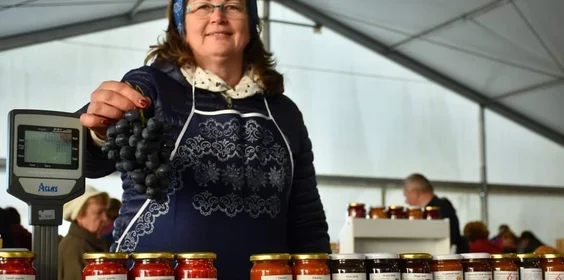

What will you find here?
-
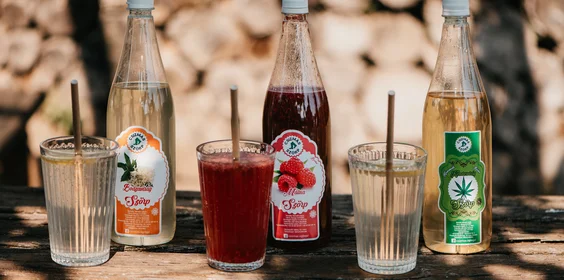
Local products
-
-
Festetics Palace
VisitBalaton365 Nkft.
Tourinform Office Hévíz
Lake Hévíz /Hévíz Saint Andrew Rheumatology Hospital and Thermal Spa/
Fenékpusztai Estate
Kis-Balaton Visitor Centre
St Mary Magdalene Church (Hévíz, Egregy)
PROTESTANT CHURCH
Sacred Heart Church
Holy Spirit Roman Catholic Church
Roman-era Ruin Garden
News

Public transport
A menetrendek.hu weboldalon minden információ elérhető az éppen aktuális menetrendekről. Kerékpárkölcsönzésre a legtöbb településen lehetőség van, így alternatívaként javasoljuk a kerékpárral való közlekedést. Hajómenetrendek: https://bahart.hu/hu
- railway
- bus
- ship
Parking information
Minden településen más-más a parkolási rend, amelyet önkormányzati rendeletek szabályoznak. Kérjük, hogy indulás előtt ellenőrizzék az adott település honlapján a parkolásra vonatkozó információkat.
- Paid parking available
- Paid bus parking available
- E-bike charging available
- Guarded covered parking
- Guarded open parking
- Electric car charging available (paid)
Sustainability status report
Topic 1: Destination Management 58%
- Visitor management: 4/5 80%
- Commitment and organization: 3/4 75%
- Design & development: 2/6 33%
- Monitoring and reporting: 0/4 0%
- Legal and ethical compliance: 2/2 100%
Topic 2: Nature and landscape 100%
- Nature and wildlife protection: 3/3 100%
- Nature and conservation: 5/5 100%
Topic 3: Environment and climate 39%
- Land use and pollution: 0/3 0%
- Water management: 2/5 40%
- Energy, sustainable mobility and climate change: 3/7 43%
- Adaptation to climate change: 1/2 50%
- Waste and recycling: 3/5 60%
Topic 4: Culture and traditions 100%
- Cultural heritage: 3/3 100%
- People and traditions: 4/4 100%
Topic 5: Social Welfare 62%
- Health and safety: 1/2 50%
- Local economy: 5/5 100%
- Socio-economic impacts: 0/2 0%
- Community participation: 3/4 75%
- Human dignity: 6/7 86%
Topic 6: Business and Communication 44%
- Business participation: 2/9 22%
- Information and marketing: 2/3 67%