Festetics Palace
The Festetics Palace in Keszthely is not only one of Hungary's most visited monuments but also an intellectual hub that has symbolised progress, education, and a love for nature for centuries. For the conscious traveller, this destination represents the meeting point of historical grandeur and exemplary heritage preservation.
- SZÉP card accepted
- Cash
- Bank card accepted
- Paid parking available
- Paid bus parking available
The Festetics Family: Patrons of Progress
The Festetics family, of Croatian origin, became a defining force in the region from the 18th century. They were not just landowners but true reformers: György Festetics founded Europe’s first agricultural college, the Georgikon, in 1797. The family members were committed to advancing science, the arts, and the environment, laying the foundation for Keszthely’s cultural and economic rise.
In the photo: ARCHDUKE JOSEPH WITH PRINCE TASZILÓ FESTETICS AT THE HORSE RACES IN BUDAPEST. Photo by Gyula Jelfy. Source: Vasárnapi Újság 1911, Issue 27.

The History of the Palace: An Architectural Masterpiece Through the Ages
The construction of the palace began in 1745 during the time of Kristóf Festetics and, over more than a century, evolved through several stages to its current Neo-Baroque and Neo-Renaissance form. Fortunately, it escaped destruction during World War II, preserving much of its original furnishings and the world-famous Helikon Library in their original state. This well-preserved heritage makes the palace one of Europe’s most valuable noble residences.

Tourist Services: Experiences Within and Beyond the Walls
Today, visitors are welcomed by a comprehensive museum complex that goes far beyond a traditional palace visit:
-
Exhibition of Aristocratic Lifestyle: Explore the everyday life of 18th-19th century nobility amidst original furniture and artefacts.
-
Helikon Library: With over 80,000 volumes, this is Hungary’s only intact aristocratic private library.
-
Carriage Museum: One of Europe’s largest and most significant collections of carriages.
-
Palm House and Hunting Museum: Showcasing tropical flora and the traditions of historical hunting.
-
Model Railway Exhibition: One of Europe’s largest model railway layouts, showcasing the history of railways.
Sustainability: Protecting Built and Natural Heritage
The palace park, now a nature reserve, is a vital site for preserving biodiversity: its ancient trees and carefully designed English garden serve as the city’s "lungs." The operation of the palace places great emphasis on the long-term preservation of values (conservation), employing local labour, and using digital technologies, which reduce physical stress on artefacts while enhancing the effectiveness of education. Visitors can also access the site car-free, thanks to the nearby railway station and cycling paths.
- Editorial Content -
Target group
-
Class trips
-
Multigenerational programs
-
Families with older children
-
Friends
-
Seniors
-
Couples
Other services
Sights, programs
All
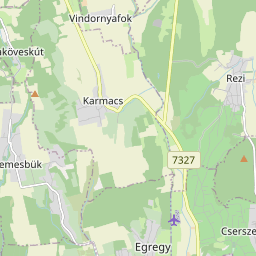
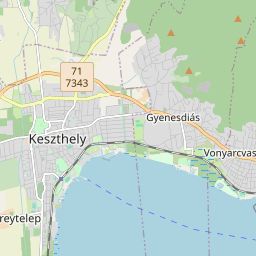
Parking information
- Paid parking available
- Paid bus parking available