Locations and Attractions
253 results
Sort:
-
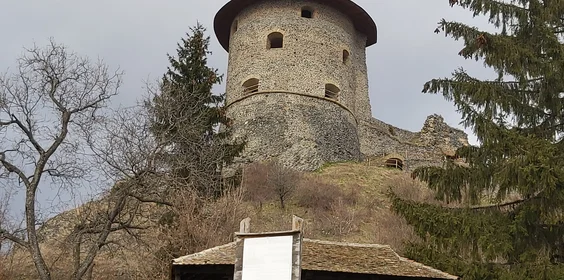
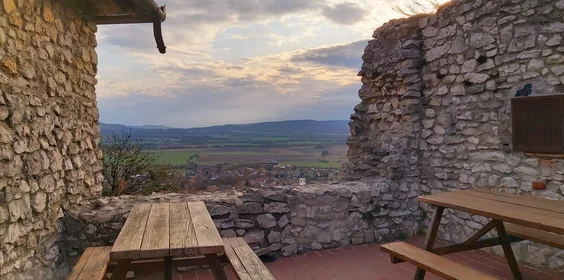
Somoskő Castle Perched atop a volcanic cone above the village of Somoskő, now part of Salgótarján in northern Hungary, Somoskő Castle is more than just the ruin of a medieval stronghold. It is a unique intersection of Hungarian history, geology, and tourism. With its stunning setting and rich heritage, the castle and its surroundings are a highlight of the border region between Hungary and Slovakia.
-
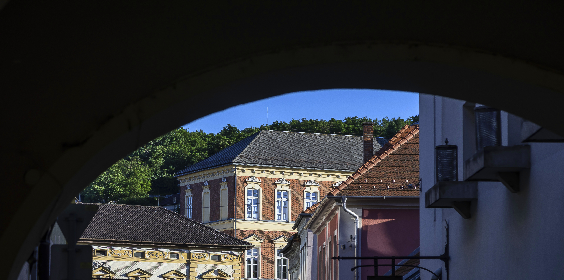
Sötétkapu The Sötétkapu (Dark Gate) is one of Miskolc’s oldest inner gateways, serving as a bridge between the past and the present. Hungary, Miskolc
-
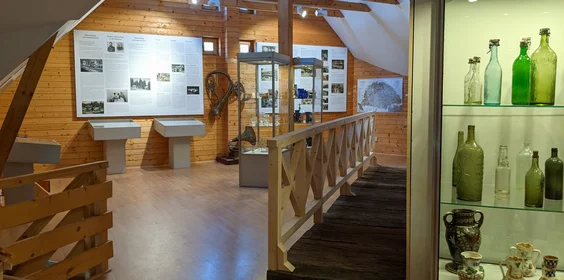
Špital Museum Housed in a building that has preserved its original name through the centuries, the Radgona Museum invites visitors to explore its rich and multifaceted museum collection, 'Radgona Bridges', complemented by multimedia presentations and an open depot. Visitors can discover the geological features, archaeological curiosities, and the ethnological and artistic heritage of the town by the Mura River. The building has undergone numerous structural and functional changes and is today a rare example of bourgeois architecture in Slovenia, featuring a unique floor plan and roof structure. Before the Second World War, it housed a school, and after the war, it was converted into residential units. For a time, the ground floor of the building was home to a disco, while the upper floors hosted a permanent museum exhibition. The permanent museum exhibition 'Radgona Bridges' showcases bridges from the earliest periods to the present day. These are not just bridges as architectural structures connecting riverbanks but also carry a much broader symbolic meaning. They represent the bridges of familial and political history in the hinterland of a flourishing medieval town on the Mura River island; bridges between urban and suburban populations, bridges between vineyard owners and vineyard workers, and, ultimately, bridges between two ethnic and linguistic communities that have coexisted in this area since its settlement. We invite you to explore our history! Slovenia, 9250 Gornja Radgona, Maistrov trg
-
St Anne's Church Discover the late Baroque church in St Anne's Square, which houses Miskolc's first public clock in its tower! Magyarország, 3531 Miskolc, Szent Anna tér 1-3
-
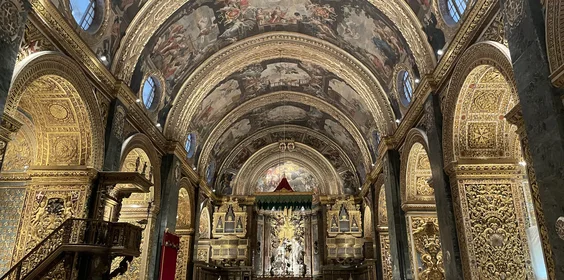
St John's Co-Cathedral Málta, Il-Belt Valletta, Triq San Gwann
-
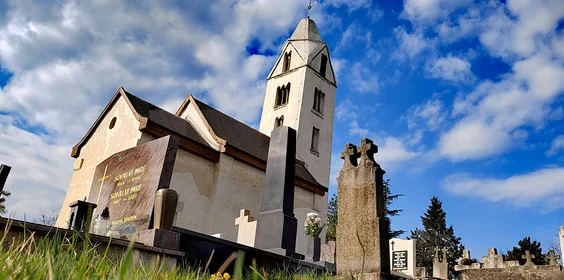
St Mary Magdalene Church (Hévíz, Egregy) The St Mary Magdalene Church in Egregy is one of three surviving Árpád-era churches in the Balaton region, believed to have been built in the mid-13th century. Magyarország, 8380 Hévíz, Dombföldi utca 6
-
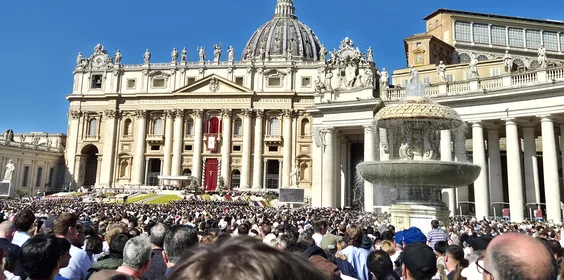
St Peter's Basilica The Vatican's St Peter's Basilica is not just a building but a fusion of human creativity and religious devotion. The greatest masters of the Renaissance and Baroque periods – including Michelangelo, Bramante, and Bernini – worked to make the church, traditionally built over the tomb of the Apostle Peter, the world's most magnificent sacred space. Visiting the basilica is a spiritual and aesthetic journey where one encounters the giants of art history. Vatikán, 00120 Città del Vaticano, Piazza San Pietro
-
Statue of the Shepherd Playing the Flute In the centre of the settlement, visitors are welcomed by a charming little park. At its heart stands the public statue of the 'Shepherd Playing the Flute', erected in the year 2000 by the Municipality of Doboz to honour the Millennium. This statue, made of bronze and limestone in a traditional architectural style, was the largest creation to date by sculptor Attila Mészáros. The design was inspired by the connection between Doboz and water, which has shaped the lives of its inhabitants and the history of the settlement. In the past, Doboz was almost encircled by the Black Körös River, giving it an island-like appearance. This is symbolised by the pebble-shaped base made of Süttő limestone. The shepherd playing the flute evokes the settlement's pastoral heritage. Magyarország, 5624 Doboz, Kossuth tér
-
Straw Hat Museum The Straw Hat Museum in Crișeni is one of the most unique thematic collections in Székely Land, showcasing the values of local peasant culture, craftsmanship, and community identity through a simple yet versatile object – the straw hat. Located in a traditional village house in Crișeni, Harghita County, the museum aims to preserve, revitalise, and celebrate the history, techniques, and aesthetic world of this craft. Románia, 537006 Crișeni, Gergely 229
-
Sümeg Castle Sümeg Castle is one of Hungary's most spectacular and best-preserved medieval fortresses, perched atop a barren limestone hill where the Balaton Uplands meet the Kisalföld. It is the only castle in the Balaton Uplands that never fell into Ottoman hands during the Turkish occupation, making it one of the most important symbols of Hungarian resistance and bravery. Today, it is not only a historical monument but also a hub of living heritage, where the everyday life of the Middle Ages comes alive every day. Magyarország, 8330 Sümeg, Vársétány
-
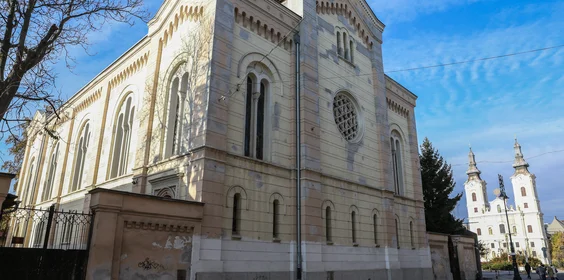
Synagogue Discover an outstanding masterpiece of Hungarian Romantic architecture at Heroes' Square in Miskolc! Magyarország, 3525 Miskolc, Déryné utca 20
-
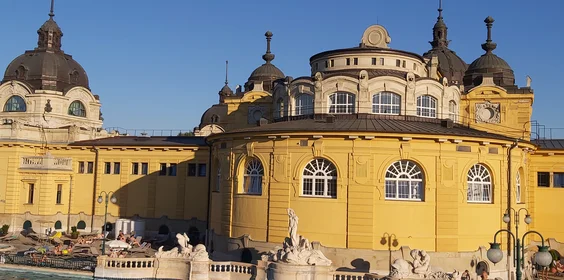
Széchenyi Bath Nestled in the lush greenery of Budapest's City Park, the Széchenyi Thermal Bath is not only one of the Hungarian capital's most iconic landmarks but also one of the largest and most impressive spa complexes in Europe. Opened in 1913, this institution offers a perfect synthesis of historic bathing culture and modern recreation. Its yellow walls and monumental domes proudly proclaim the status of Pest's first thermal bath, which has now become one of Budapest's most important tourist destinations, located right next to a UNESCO World Heritage site. Magyarország, 1146 Budapest, XIV. kerület, Állatkerti körút 9-11
-
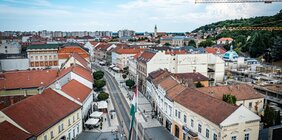
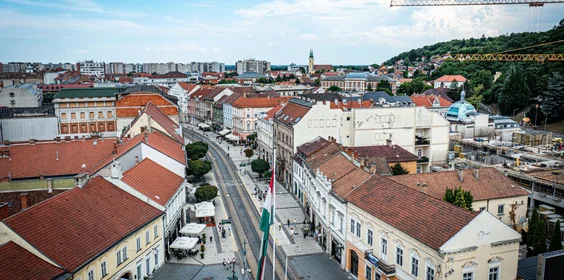
Széchenyi Street Széchenyi Street, Miskolc's main artery, has always been the city’s center and most important thoroughfare. Hungary, Miskolc
-
Szejkefürdő Mineral Water Museum Located in the valley of the Szejke stream, near Odorheiu Secuiesc, Szejkefürdő has been the centre of Szekler mineral water culture for decades. The natural springs – including the Sarolta Spring, known for its distinctively slightly sulphurous, petroleum-like smell – have been used as medicinal drinking water since the 18th century. Harghita County is home to nearly 2,500 different mineral water springs, offering diverse mineral compositions that provide both health benefits and cultural experiences. Románia, Székelyudvarhely
-
Székely Border Guard Memorial Centre The Székely Border Guard Memorial Centre opened in August 2021 in Frumoasa, Harghita County, and is one of Transylvania's most significant military and historical museums. Its purpose is not only to commemorate but also to educate, foster dialogue, and strengthen shared identity. The exhibition presents a lesser-known yet highly important chapter of Székely history – the centuries-old institution of the Székely border guards, which was simultaneously a military, social, and cultural system. Románia, 537115 Frumoasa, DJ124A 3
-
Székely Calvary and Ugron Chapel Located on the northern edge of Odorheiu Secuiesc, along the quiet forest trail leading to Mál Hill, the Székely Calvary uniquely combines spiritual reflection with the collective memory of the Székely community and contemporary artistic expression. The central element of the site is the Ugron Chapel, built in 1890 at the request of Ákos Ugron, based on the testament of his ancestor, Lázár Ugron. Originally intended as a burial chapel, the building still preserves the memory of the family’s history. Románia, 535600 Odorheiu Secuiesc, Strada Orbán Balázs 154 c
-
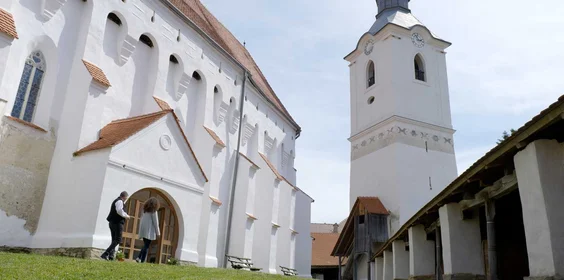
Unitarian Fortified Church of Dârjiu Dârjiu is a quiet village nestled among hills in the Székely Land, where time seems to slow down, and history feels within reach. The Unitarian fortified church standing in the centre of the village is not only a striking architectural landmark but also the only Unitarian church in the world protected as a UNESCO World Heritage Site. The building's foundations date back to the 13th century: originally a Romanesque-style church, it was fortified during the 15th–16th centuries due to the threat of Turkish and Tatar invasions. The defensive walls, bastions, loopholes, and walkways remain well-preserved, telling stories of past defensive strategies. Románia, 537075 Dârjiu, DJ133 163
-
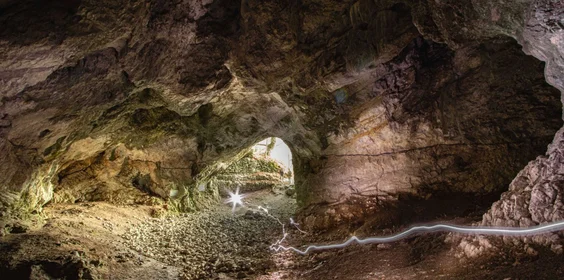
Szeleta Cave Discover the site of Hungary's first cave excavations at Szeleta Cave! Magyarország, 3517 Miskolc, Lillafüred
-
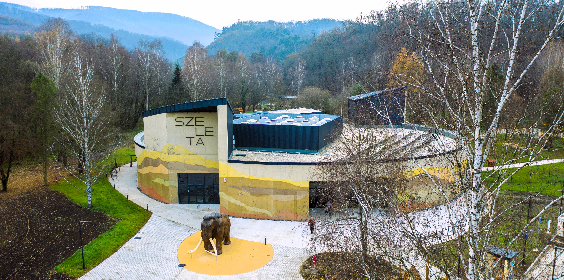
Szeleta Park Visitor Center The Szeleta Park Visitor Center invites visitors on a journey through time, where history and nature’s wonders converge. Hungary, 3535 Miskolc, Hegyalja utca 245
-
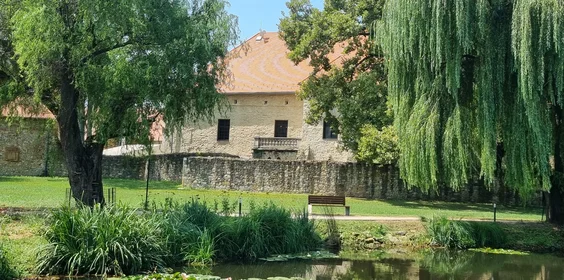
Szerencs Castle The town of Szerencs lies at the western gateway to the Tokaj-Hegyalja wine region, with its most prominent architectural heritage and cultural centre being the Szerencs Rákóczi Castle. Once a fortress surrounded by water, rising from the marshy floodplains of the region, it is now not only a witness to bygone times but also a dynamic hub for regional tourism and sustainable community life. Magyarország, 3900 Szerencs, Huszárvár utca 11
-
Szinva Nature Trail The Szinva Nature Trail, also known as the eastern gateway to the Bükk National Park, stretches from the Ottó Herman Memorial Park all the way to Lillafüred. Magyarország, 3517 Miskolc, Lillafüred
-
Szinva Terrace Once known as Little Venice, the area now called Szinva Terrace in Miskolc was a bustling part of the city, with the Szinva Stream flowing through a broad channel between rows of houses. Hungary, 3530 Miskolc, Szemere Bertalan utca 2
-
Tamás Széchy Memorial House, Local History Collection and Creative House Our town's prominent cultural and heritage site is the Tamás Széchy Memorial House, Local History Collection and Creative House. This house preserves the memory of Tamás Széchy, one of Hungary's most successful swimming coaches of all time and the first honorary citizen of Doboz. He spent his childhood in this house, where his mother was the post office manager. Until 2008, this building served as a post office. Later, thanks to a grant, it was renovated and slightly modified, eventually gaining its current appearance. In 2012, it was reopened to the public, housing a permanent exhibition of the swimming legend's personal belongings and providing space for the local history collection, which includes items donated by residents as well as the handiwork of members of the Dobozi Folk Art Association. Its latest addition, the Postal History Exhibition, opened in 2024. This house hosts all kinds of craft workshops, camps, and events that ensure the traditions of the past are not forgotten and are faithfully passed on to future generations. The main goal is to preserve and respect local traditions and values, passing them down "from father to son." A living house and event space with its own herbal garden. The memorial house can be visited by prior arrangement. Magyarország, 5624 Doboz, Nagy utca 20 -
TD Sveti Jurij ob Ščavnici The Tourist Association was founded in December 1964 and celebrated its 60th anniversary in 2024. On Stara Gora, the association has its tourist office "Štiblc," from where it promotes the area's tourism. As tourism in recent years has focused on visits to Stara Gora (ethnological museum, windmill, church), the association strives to expand its activities to the entire municipality. Slovenia, 9244 Sveti Jurij ob Ščavnici, Stara Gora 14