Szeleta Cave
Discover the site of Hungary's first cave excavations at Szeleta Cave!
More information
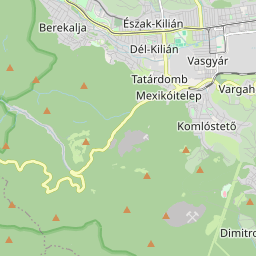
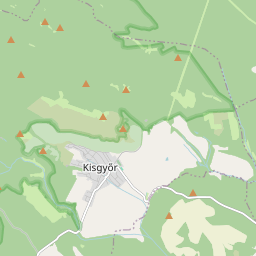
Szeleta Cave opens nearly 100 metres above the Szinva Valley, directly opposite the Hámor Cemetery, where the tomb of Ottó Herman can also be found! On the cave's side wall, several metres high, you can see a black line indicating the original level of the sediment before excavation began. From the entrance hall, you can head left into the shorter branch or straight ahead into the longer branch of the cave.
Szeleta Cave opens nearly 100 metres above the Szinva Valley, directly opposite the Hámor cemetery, where the tomb of Ottó Herman can also be found! On the cave's side walls, a black line several metres high marks the original level of the fill before excavations began. From the entrance hall, you can turn left into the shorter branch or continue straight into the longer branch of the cave.A0
And a bit of history:
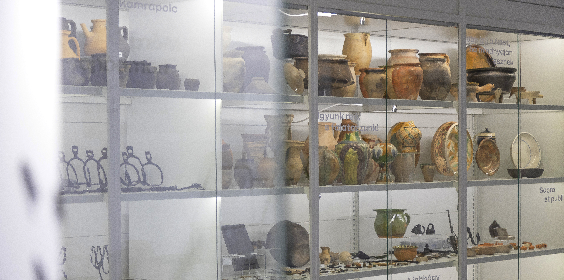
In the autumn of 1906, Ottokár Kadić began his cave research in the Bükk Mountains. His first task was to survey the caves of the Szinva Valley known at the time. Among nearly 20 caves, the Goat Hole, Büdös-pest, and Szeleta Cave seemed the most promising. From 14 to 20 November, he conducted trial excavations in the three caves, but only in Szeleta Cave did they find traces of prehistoric humans from the Pleistocene. Alongside numerous cave bear bones, they also discovered evidence of a hearth. Kadić attributed the breakage and wear marks on the bones to human activity, and the charcoal remains clearly indicated the presence of prehistoric humans in Szeleta. Finely crafted tools and implements were uncovered, which could have been used by our Ice Age ancestors. Among these, the most famous are the finely crafted grey "chalcedony" spearheads. Beyond the numerous stone tools, the most significant find was the Pleistocene cultural layer discovered at the back of the main corridor. From these Pleistocene layers, the sought-after Palaeolithic stone tools finally emerged, totalling 40 pieces!
By 1947, ten large-scale excavations had cut through 12 metres of fill. Based on the laurel-leaf-shaped stone tools found here, the tool-making industry characteristic of other caves in the region has been referred to in international literature as the Szeleta culture since 1953.