-

Photo: Horváth Csongor -

Photo: Horváth Csongor -

Photo: Horváth Csongor -

Photo: Horváth Csongor


Miskolctapolca Cave Bath
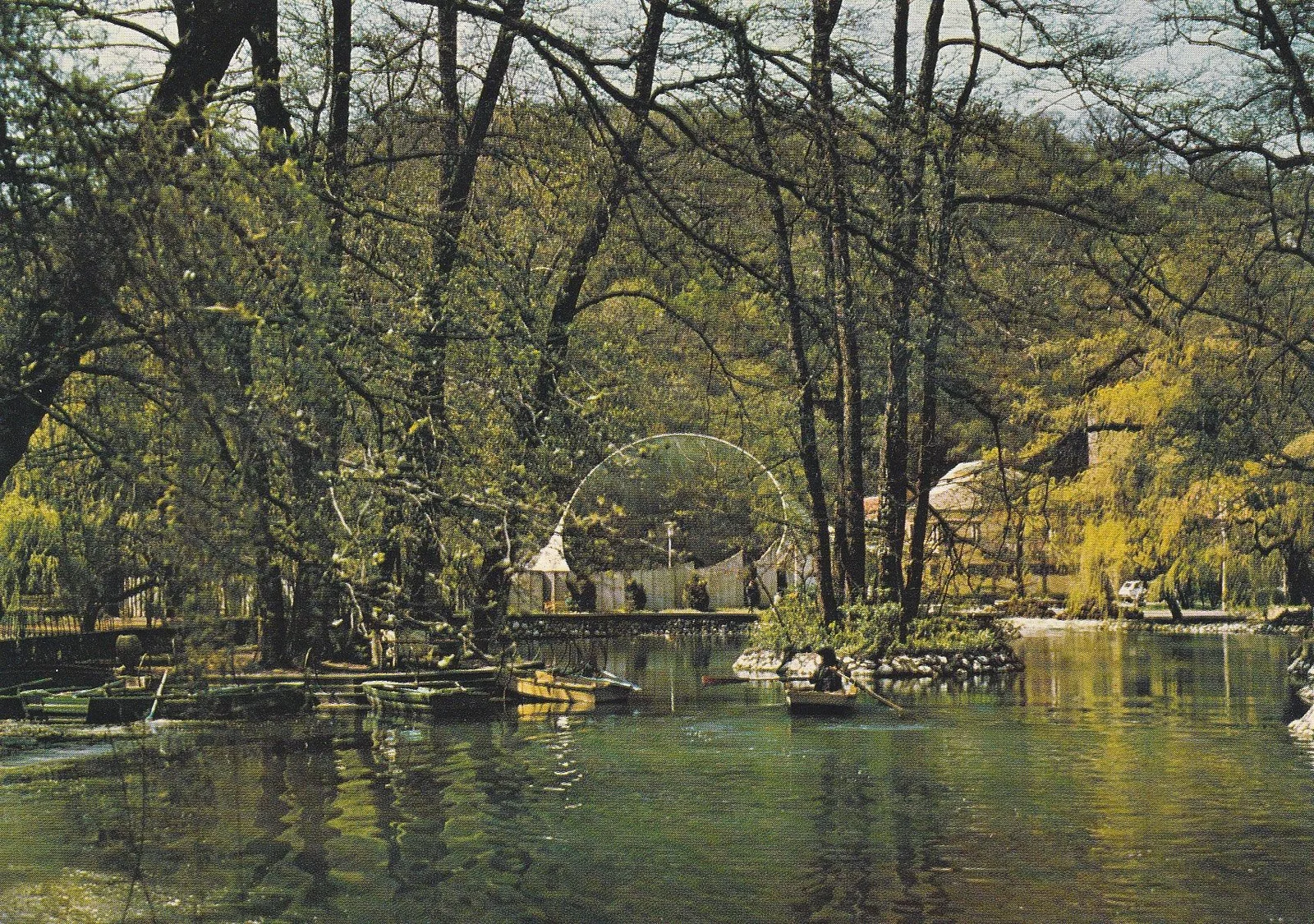
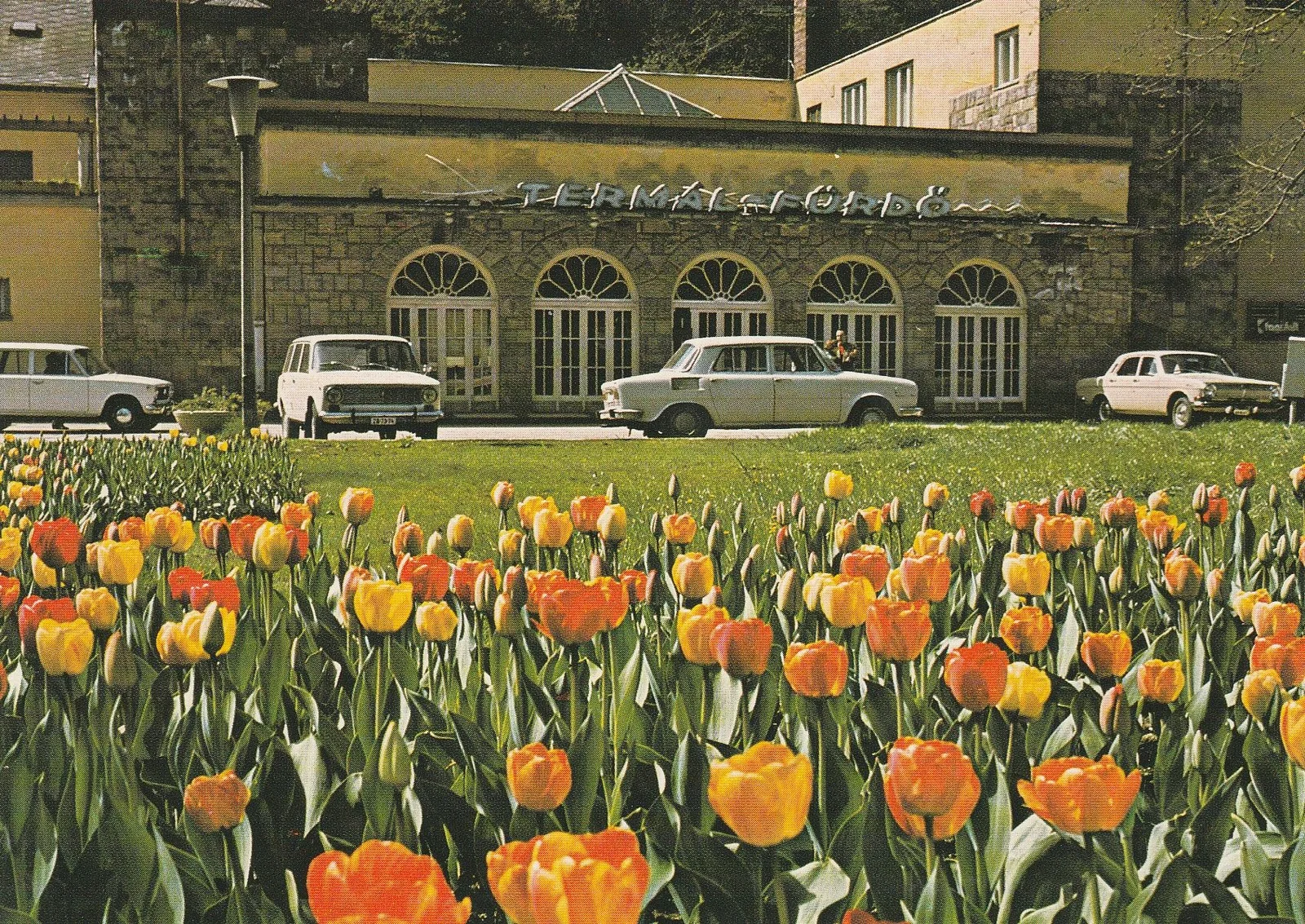
The Miskolctapolca Cave Bath is one of Europe’s most unique natural wonders, where the pleasant-temperature karst water emerging from the depths of the mountain meets the natural passages of a millennia-old limestone cave. Following the devastating fire of 2024, the bath complex is gradually regaining its former glory through unparalleled collaboration: with renewed infrastructure guaranteeing maximum safety and the familiar, unmatched cave microclimate, it welcomes those seeking relaxation and rejuvenation. Discover the unique relaxation experience offered by the karst water and natural rock corridors!
- SZÉP card accepted
- Cash
- Hungary Card accepted
- Szállás.hu Program tourism
- Free WIFI
- Electric car charging
- Bank card accepted
- Paid parking available
- Electric car charging available (paid)
The History of the Cave Bath
The history of the karst springs and cave of Miskolctapolca dates back centuries, where natural features and human infrastructure have gradually intertwined.
-
The Middle Ages and Benedictine monks: Written records of the healing properties of Tapolca’s water date back to the 13th century. A Benedictine monastery was established in the area in 1219, and the monks primarily used the spring water to treat wounds and musculoskeletal complaints. During the Turkish occupation, the area became marshy and abandoned, and the monastery was destroyed.
-
The 18th century and the first bath buildings: The area’s revival began with the reorganisation of the Görömböly Abbey. In the early 18th century, the abbots started draining the marsh and enclosing the springs. The first wooden, open-air bathing pool was built in 1723, but the inner passages of the cave were not yet used for bathing at that time.
-
The mid-20th century – opening towards the cave: In the early 20th century, the city of Miskolc purchased the area from the church. Drilling and speleological explorations carried out in the 1930s confirmed that the climate and water of the passages hidden deep within the rocks were of exceptional value. The cave passages were officially opened to the public as the Cave Bath on 14 May 1959.
-
Continuous expansions (1969–2005): Over the decades, the bath underwent several expansions. The shell-shaped outdoor pool was inaugurated in 1969, and between 1998 and 2005, comprehensive developments created the Star Hall, wild water corridors, and cave massage pools, combining natural karst passages with modern wellness elements.
-
The 2024 tragedy and rebirth: On the night of 5 September 2024, the roof structure of the bath’s medical centre and sauna section was completely destroyed by fire due to an electrical fault. Thanks to unprecedented collaboration and intensive reconstruction efforts, the complex was reborn with advanced safety and protection technologies, while fully preserving the historic karst passages.



Services and Experiences
The natural karst cave passages and outdoor pools offer a unique experience for those seeking relaxation:
-
Cave pools: The massage pools located in the karst cave passages, the mysterious lights of the Star Hall, and the wild water corridors provide rejuvenation amidst natural rock walls.
-
Crystal-clear karst water: The 29–31 °C, low-mineral-content karst water is excellent for alleviating joint and musculoskeletal complaints, as well as for stress relief. Its low salt content allows for unlimited bathing without straining the body.
-
Outdoor experience pools: The landscaped beach area features seasonal pools and sun terraces, ensuring carefree relaxation for families.
-
Cave microclimate: The cave’s clean, dust- and pollen-free air naturally aids in alleviating respiratory complaints.
Sustainability and Safety
The operation of the rebuilt Cave Bath is founded on nature conservation and maximum guest safety.
-
Next-generation safety systems: During reconstruction, the most modern thermal sensor fire protection and electrical safety networks were installed throughout the entire complex.
-
Eco-friendly heat utilisation: The complex uses heat pump systems to harness the warmth of the 29–31 °C karst water for building heating and preheating pool water, drastically reducing reliance on fossil energy.
-
Environmentally friendly water management: Closed-loop, modern filtration systems ensure crystal-clear water while preserving natural resources.
-
Geological value preservation: Special attention was given during the works to ensure that the protected limestone cave’s natural formations and microclimate remained intact.
Responsible Bathing
Protecting the natural treasures and the fragile ecosystem of the cave is a shared responsibility:
-
Preserving water purity: Thorough pre-entry showers help reduce the amount of chemicals needed for water purification.
-
Protecting limestone formations: Safeguarding the integrity of the cave walls and rocks helps preserve the original state of the millennia-old passages.
-
Selective waste management: Using designated bins and personal reusable bottles minimises waste impact.
-
Eco-friendly travel: Miskolctapolca is easily accessible via direct local bus routes and cycling paths.
Target group
-
Class trips
-
Multigenerational programs
-
Couples
-
Families with younger children
-
Friends
-
Families with older children
-
Seniors
Other services
Sights, programs
All
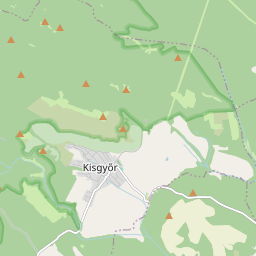
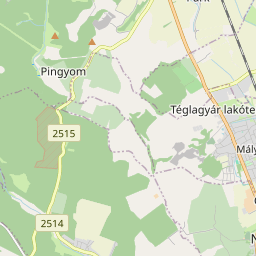
Parking information
- Paid parking available
- Electric car charging available (paid)
Sustainability status report
 Food and products
 Caring for people
 Decent employment
 Pollution reduction
 Caring for the climate
 Waste reduction
 Caring for water
 Caring for nature
 Caring for culture
 Management and information