Issue 01 of the I-DEST B2B Magazine is Now Available
How can a digital platform support day-to-day destination management, strengthen collaboration between local tourism businesses and improve the visitor experience? The first issue of I-DEST Magazine is now available in English and Hungarian. This 32-page B2B publication uses colourful case studies, real platform screenshots and practical examples to show what I-DEST offers tourism professionals—and why it is worth choosing.
Visitors usually experience a tourism website through its recommendations, events and attractions. Behind the scenes, however, there is much more to manage: updating information, coordinating partners, aligning event schedules, communicating with different audiences and making informed development decisions.
I-DEST Magazine takes readers behind the scenes of this work. We explore how visitor information, support for tourism businesses and data-driven destination management can come together within one integrated platform.
Written for professionals—not just another feature catalogue
I-DEST Magazine is a B2B publication for destination management organisations, tourism businesses, attraction operators, local authorities, and the organisations managing tourism routes and networks.
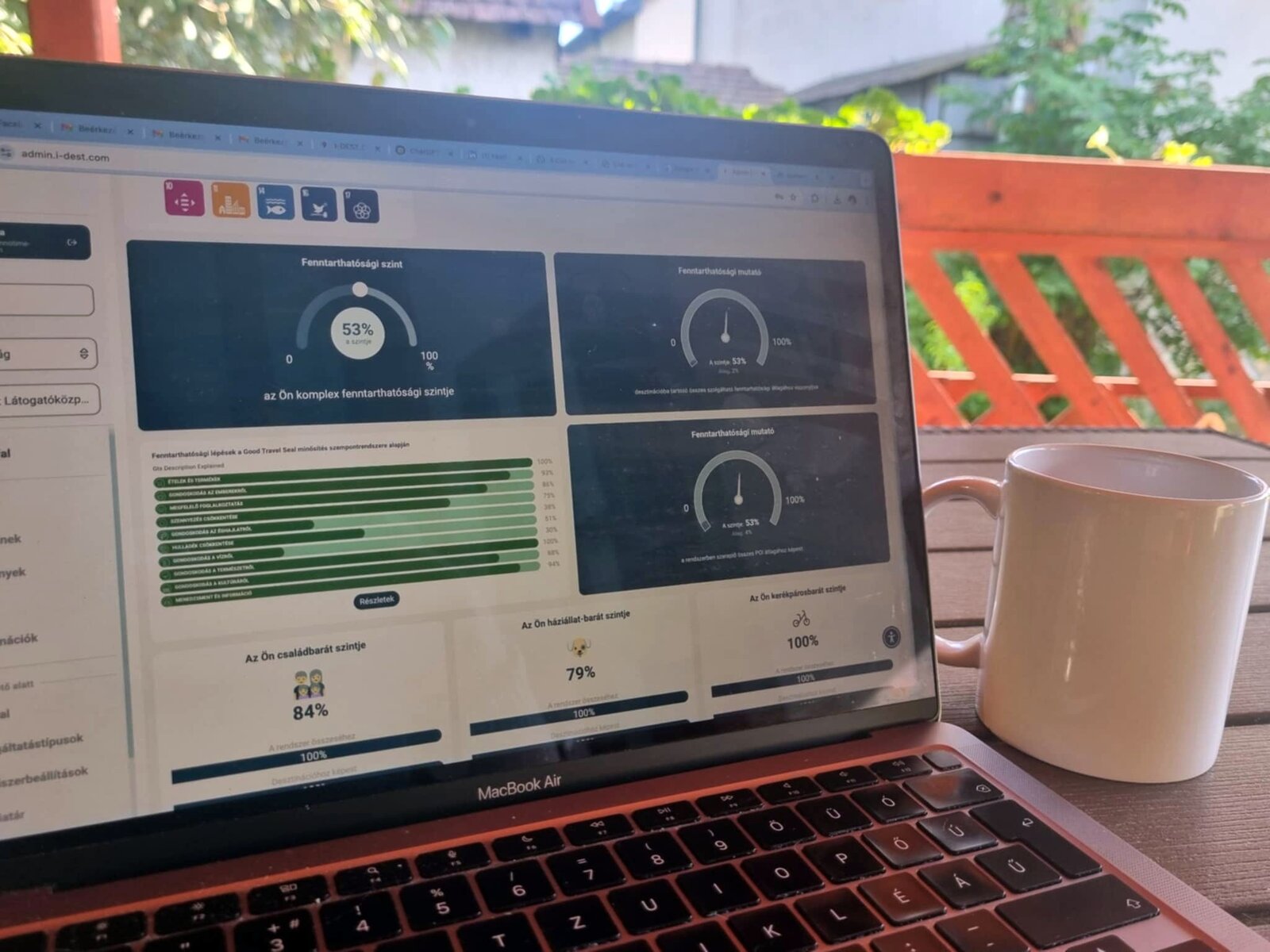
Rather than simply listing the platform’s features, we explain the everyday challenges they can help address. How can businesses maintain their own information? What can destination managers see on their dashboard? How does a shared event calendar support organisers? And how can sustainability commitments become experiences that visitors can understand and participate in?
Photographs, mobile views and large screenshots make the magazine more than a description of the software: they offer a closer look at how it can be used in practice.
Real destinations, different challenges
The magazine’s case studies demonstrate how I-DEST can be applied at different scales and in support of different professional priorities.
VisitMiskolc: a distinctive destination brand, supported by shared technology. The Miskolc case study shows how I-DEST can power an independently branded destination website with local content management and collaboration between tourism providers. Shared technology does not mean an identical appearance: destinations can retain their own voice and editorial freedom.
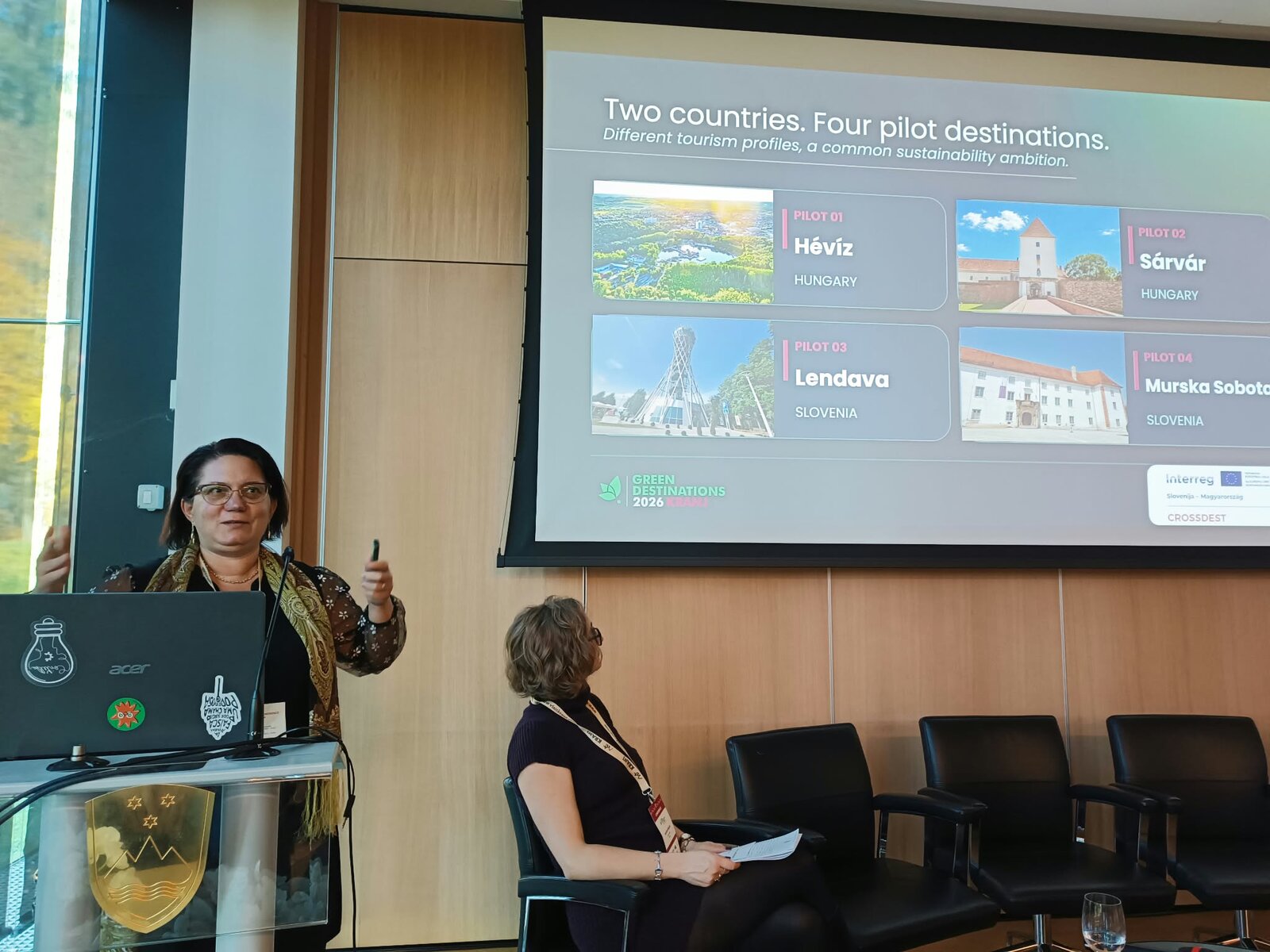
CROSSDEST: seven partners, four destinations, one shared methodology. Through the cooperation between Hévíz, Sárvár, Lendava and Murska Sobota, we explore how provider self-assessment, professional development, e-learning and sustainability monitoring can work together. The focus is on identifying opportunities for improvement and supporting continued progress.
Hévíz and Sárvár: from assessment to visitor experience. Professional development work becomes tangible when visitors encounter its results. Alongside the preparation process, this chapter offers a glimpse of Sárvár’s GoGreen communication.
Harghita: applying I-DEST at county level. This case study focuses on presenting local services while building a broader regional overview. It explores how detailed profiles and consistently structured information can provide a shared foundation for visitor communication and professional cooperation.
Why consider I-DEST?
One of the magazine’s central messages is that I-DEST is not simply a website: it is a platform connecting the work of tourism stakeholders. Destinations, service providers and visitors have separate dashboards, tailored to their respective tasks and access permissions.
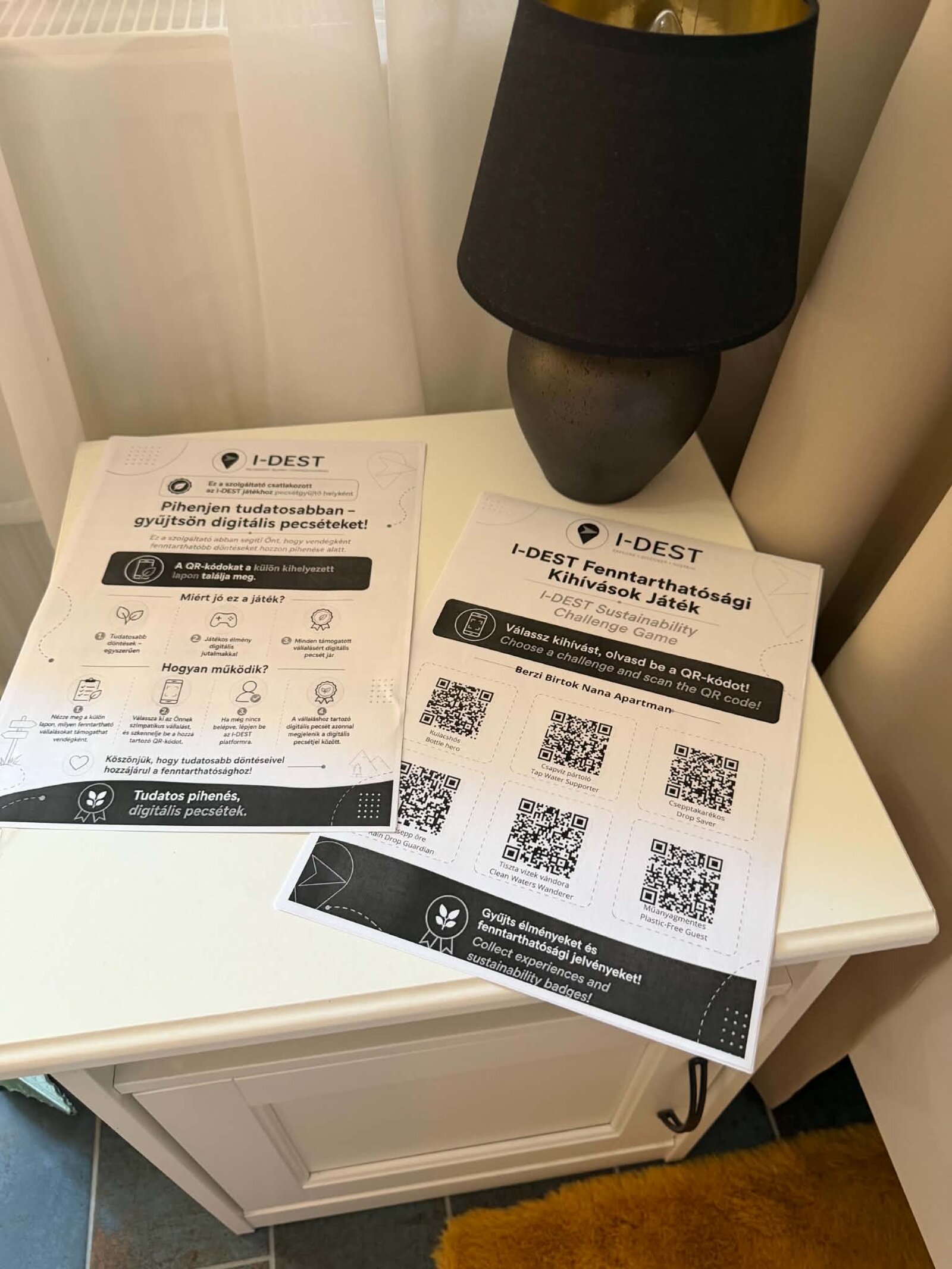
Dedicated chapters introduce the Sustainability Challenges game, the shared event calendar and its RSS-based distribution, as well as route planning and audioguides. We also explore the accessible website and the collection, organisation and presentation of accessibility information about individual locations.
Multilingual publishing does not mean translating every item into every language. Editors can decide which audiences they wish to reach, use AI-assisted translation or write different messages for different language versions. A local community event can remain in Hungarian, while an international festival can communicate with several visitor markets.
A shared commitment to more sustainable tourism
A dedicated feature introduces the I-DEST Ethical and Sustainability Code, which provides a framework for shared responsibility between visitors and tourism providers. Thoughtful visitor choices and the practical opportunities offered by local businesses work together to turn that commitment into action.
The first issue opens with I-DEST’s Best Tourism Innovation Award at the Skålité International Awards. It concludes with a 60-item feature directory, organised by theme, to help readers explore the platform’s capabilities.
Explore the magazine and discover how I-DEST can support the work of your destination, tourism business or network.
More News
All-
5 Mins
Read -
4 Mins
Read -
3 Mins

Read -
5 Mins

Read -
4 Mins

Read -
4 Mins

Read -
4 Mins

Read -
3 Mins

Read -
3 Mins
Read -
5 Mins

Read -
6 Mins

Read -
3 Mins

Read -
3 Mins

Read -
4 Mins

Read -
3 Mins

Read -
7 Mins

Read -
19 Mins
Read -
7 Mins

Read -
8 Mins
Read -
5 Mins

Read -
4 Mins

Read -
7 Mins

Read -
5 Mins

Read -
3 Mins

Read -
4 Mins

Read -
3 Mins

Read -
3 Mins

Read -
3 Mins
Read -
12 Mins

Read -
4 Mins
Read -
4 Mins

Read -
4 Mins

Read -
4 Mins

Read -
5 Mins
Read -
4 Mins

Read -
3 Mins

Read -
8 Mins

Read -
4 Mins
Read -
6 Mins

Read -
4 Mins

Read -
5 Mins

Read -
6 Mins

Read -
5 Mins

Read -
3 Mins

Read -
7 Mins

Read -
7 Mins

Read -
5 Mins

Read -
6 Mins

Read -
6 Mins

Read -
3 Mins

Read -
3 Mins

Read -
10 Mins

Read -
6 Mins

Read -
5 Mins

Read -
4 Mins

Read -
5 Mins

Read -
4 Mins

Read -
6 Mins

Read -
7 Mins

Read -
5 Mins

Read -
3 Mins

Read -
4 Mins

Read -
4 Mins

Read -
4 Mins

Read -
6 Mins

Read -
3 Mins

Read -
1 Mins

Read -
2 Mins

Read -
2 Mins

Read -
3 Mins

Read -
3 Mins

Read