Fisherman's Bastion
If there's one place in Budapest you can never tire of, it's the Fisherman's Bastion. Whether you're passing by for the hundredth time or seeing it for the first, the intricate stone towers and the panoramic view of the Danube never fail to take your breath away. But how did this medieval fortress become the capital's most photographed spot, and what can we do to ensure that our grandchildren can marvel at it just as much?
- Cash
- Bank card accepted
- Paid parking available
- Paid bus parking available
From knights to selfie sticks: The story of the Fisherman's Bastion
Although the neo-Romanesque structure might give the impression of being a relic from the Middle Ages, its current form was created during the millennium celebrations. In the 15th century, there was indeed a defensive wall here, traditionally guarded by the guild of fishermen from the nearby Víziváros – hence the name.
Then came architect Frigyes Schulek, who at the turn of the 19th and 20th centuries had a bold vision. As part of the reconstruction of the neighbouring Matthias Church, he designed this fairy-tale terrace along the Danube. Instead of military purposes, the focus was now on pure aesthetics and delight: the seven pointed towers, for instance, commemorate the leaders of the seven founding Hungarian tribes. Unfortunately, the Second World War did not spare this building either, but fortunately, Schulek's son, János, led a beautiful restoration by the late 1940s.


Life on the terraces
The Fisherman's Bastion is now the heart and soul of the Castle District. It's an open-air meeting place where travellers from all over the world mingle with locals out for a stroll. The lower terraces are completely free to explore, while the upper levels require a ticket if you want to photograph the Parliament from an even higher vantage point. The staircases are lined with café terraces, and in the early hours, photographers and sunrise-chasing youths take over the arcades.

Challenges and sustainable tourism
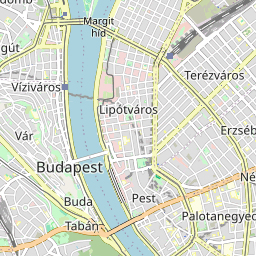
Thanks to its favourable location, the Fisherman's Bastion fits well into the model of sustainable urban tourism, as most of the Buda Castle District is a pedestrian zone. Visitors can easily reach the site on foot, by public transport, or via the Buda Castle Funicular.
However, the monument is seriously threatened by overtourism. The constant crowds during peak times accelerate the physical wear of the soft limestone elements. Littering and careless use of the monument's surfaces also pose significant challenges for ongoing preservation efforts.
What can you do to ensure future generations can enjoy the Fisherman's Bastion?
Visitors can do a lot to help preserve the Fisherman's Bastion:
-
Choose walking or public transport: To reach the Castle District, consider using BKK services or walking paths instead of driving.
-
Plan your visit wisely: A walk in the early morning or late evening helps avoid daytime crowds and offers a more peaceful experience.
-
Protect the built heritage: Climbing on the stone walls or sitting on ledges damages the centuries-old surfaces and is also dangerous.
-
Eco-friendly solutions: Using a reusable water bottle can reduce the amount of single-use plastic waste.
- Editorial content -
Other services
Sights, programs
All
Parking information
- Paid parking available
- Paid bus parking available