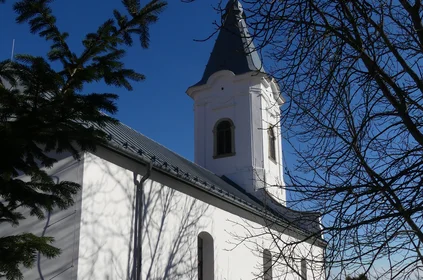
Church of the Exaltation of the Holy Cross in Tarcal
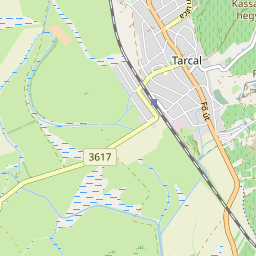
Located on the main street of Tarcal, in the heart of Tokaj-Hegyalja, stands one of the most significant architectural landmarks of the town – the Roman Catholic Church dedicated to the Exaltation of the Holy Cross. This graceful Baroque building is not only a centre of local religious life but also a key site reflecting the rich history, artistic heritage of the wine region, and Central European pilgrimage tourism.
- Free outdoor parking available
- Free bus parking available
History and Architectural Significance
The site of the church and its immediate surroundings were centres of vibrant ecclesiastical life as far back as the Middle Ages. According to the earliest written records, a Gothic-style parish church stood here in the 14th–15th centuries. However, the fate of the town and the church was drastically altered by the Turkish occupation and the spread of the Reformation in the 16th century: the medieval church suffered severe damage during denominational conflicts and military skirmishes, was temporarily used by Protestants, and by the late 17th century had fallen into near-total ruin.
The revival of Catholic worship and the church began after the expulsion of the Turks in the early 18th century, closely tied to the economic prosperity of the Tokaj-Hegyalja wine region. The reclaimed estates were acquired by the era's leading aristocratic families. The construction of the church in its current Baroque form was realised with the generous patronage of the Grassalkovich and Károlyi families, as well as the local diocese.
The main phase of construction took place between the 1760s and 1780s, incorporating parts of the medieval foundations and wall remnants to create the single-nave, tower-fronted heritage building visible today. The church was consecrated under the title of the Exaltation of the Holy Cross, symbolising spiritual renewal and the triumph of faith following liberation from Turkish rule.
The interior of the building reflects the harmony of late Baroque and Rococo art:
-
Main Altar and Altarpiece: The central element of the sanctuary, the main altar, depicts the discovery and exaltation of the Holy Cross, framed by richly gilded decorations and Baroque sculptures.
-
Pulpit: The intricately carved wooden pulpit is an outstanding work of the region's 18th-century woodcarving masters, adorned with symbols of the Evangelists and Baroque motifs.
-
Wall Paintings and Stained Glass Windows: The frescoes adorning the barrel vaults of the nave underwent several restorations and extensions in the 19th–20th centuries, depicting the stories of Hungarian saints and the mystery of redemption.
Connection to Pilgrimage Tourism and the Mary Way
The Roman Catholic Church in Tarcal plays a prominent role in both domestic and international sacred tourism, as it is an official stop on the Mary Way, a pilgrimage route crossing Central Europe. For pilgrims and travellers seeking spiritual reflection, the church is not just an architectural attraction but also a key place for inner peace, renewal, and prayer.
Those arriving on the Mary Way by foot or bicycle can stamp their pilgrimage passports here, rest, and connect with the sacred network of the wine region, which links Marian shrines and heritage sites in the area. Thanks to its central location, the church is also closely tied to the Blessing Christ statue towering above Tarcal, offering a comprehensive spiritual experience along the pilgrimage route through the town.
Visiting and Behavioural Guidelines
As the church remains an active sacred space and the home of the local faith community, visitors and pilgrims are expected to observe respectful and responsible behaviour:
-
Appropriate Attire: Entry to the church interior is permitted only in clothing suitable for the occasion, covering shoulders and knees.
-
Silence and Dignity: Upon entering, maintain silence, mute or switch off mobile phones, and respect the prayers and sanctity of the space.
-
Respect for Masses: During services and Masses, tourist activities and photography are discouraged.
-
Photography Rules: Photography is allowed outside of service times, but to protect artworks and the altar, please avoid using flash.
-
Food and Drink: Consumption of food and drink is strictly prohibited within the church building.
Sustainable Tourism and Accessibility
The building is located near cycling and walking routes crossing the Hegyalja region, making it an environmentally friendly and culturally enriching stop for cyclists and pilgrims arriving from Tokaj, Mád, or Szerencs.
- Editorial Content -
Target group
-
Class trips
-
Families with younger children
-
Families with older children
-
Multigenerational programs
-
Friends
-
Seniors
-
Couples
Other services
Sights, programs
All
Parking information
- Free outdoor parking available
- Free bus parking available