Harghita County
1. Geographical and Cultural Background
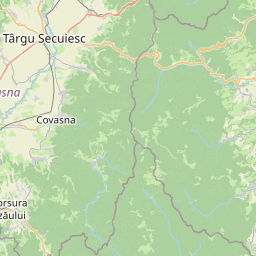
Harghita County is located in the heart of Romania, in the Eastern Carpathians, within the historical region of Transylvania. It is predominantly a rural area, characterised by a strong Székely-Hungarian ethnic presence, which shapes the region's traditions, architecture, language, and culture of hospitality.
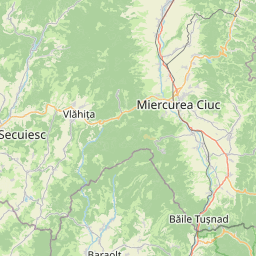
With its extensive forests, mineral springs, volcanic formations, and rich folk and religious traditions, Harghita is an attractive destination year-round for those interested in cultural tourism, wellness, and active recreation. The county seat is Miercurea Ciuc. Other major towns include Odorheiu Secuiesc, Gheorgheni, Toplița, and Cristuru Secuiesc.
2. Natural Values and Protected Areas
The landscape and ecological profile of Harghita County are shaped by volcanic mountain ranges and highland basins, offering a rich and diverse natural environment. The county is home to rare geological formations, unique peat bogs, caves, and picturesque gorges. These natural treasures provide favourable habitats for large wildlife species such as brown bears, wolves, lynxes, and deer, contributing to the region's biodiversity.
Key protected natural attractions:
• Lake Saint Anne
• Mohos Peat Bog
• Bicaz Gorge and Red Lake
• Vargyas Gorge
• Nagy-Hagymás and Egyeskő
• Sugó Cave
• Jézer Lake Reserve (Călimani Mountains)
• Lucs Peat Bog
• Falcon Rock
• Borzont Birch Forest
• Fenyőkút Peat Bog
The county features numerous protected areas, including several Natura 2000 sites, which contribute to the preservation of biodiversity. These areas provide ideal conditions for ecotourism activities such as:
• wildlife watching and nature photography
• birdwatching
• botanical and geological tours
• exploring environmental education trails
Thanks to its unique natural heritage, Harghita County is a key destination for sustainable tourism and for travellers and researchers interested in nature.
3. Cultural, Religious, and Heritage Tourism
The Székely heritage offers a wealth of intangible and tangible cultural values. Visitors can discover:
• fortified churches
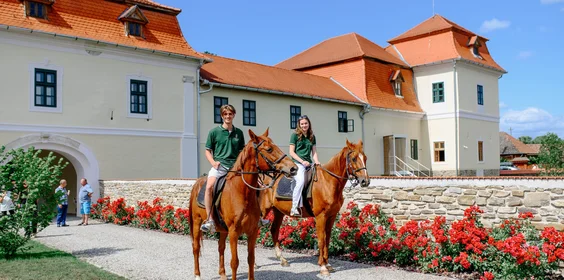
• castles and mansions
• traditional Székely gates, peasant houses, and open-air museums
• handicrafts and folk traditions
Harghita County is also a prominent destination for religious and pilgrimage tourism. The Pentecost pilgrimage to Șumuleu Ciuc attracts tens of thousands annually, mainly Catholic pilgrims from Hungary and the Carpathian Basin. Numerous historic churches and chapels are linked to thematic religious routes.
Local museums and cultural centres showcase the county's history, craftsmanship, and natural heritage.
4. Health Tourism
Harghita County is well-known for its natural mineral springs, mofettas (dry carbon dioxide gas emissions), and salt therapy opportunities, which form the foundation of its health tourism offerings.
Key destinations:
• Băile Tușnad – a spa town with mofettas and wellness centres
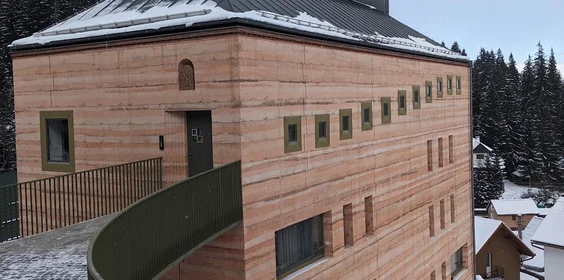
• Borsec – a renowned spa resort with the new Fontana Borsec wellness centre (pools, sauna, salt chamber, mofetta)
• Numerous rural spas and mofettas
5. Active and Adventure Tourism
Harghita County offers year-round opportunities for active recreation, especially for nature and outdoor sports enthusiasts.
Summer activities:
• hiking and walking trails
• mountain biking, trail running, nature photography
• kayaking and canoeing
• via ferrata routes
• canyoning, summer toboggan runs, paragliding
• horseback riding, off-road trips
Winter activities:
• skiing and snowboarding
• cross-country skiing, winter hiking
• ice climbing, snowshoeing, dog sledding, and snowmobiling
• natural ice rinks and sledding slopes
These activities are often provided by certified guides and are available as part of local tourism packages.
6. Family and Educational Tourism
Harghita County is increasingly popular as a destination for family tourism and educational trips, thanks to its diverse tourism offerings and the growing focus of service providers on family-friendly experiences.
The region's interactive, easily accessible, and experience-based attractions are ideal for school trips, nature education, and intergenerational activities.
7. Infrastructure and Accessibility
Transport
• Roads: National roads (DN) connect the region with Brașov, Mureș, and Neamț counties. Secondary roads vary in condition but provide access to tourist attractions.
• Rail: CFR offers direct rail connections to Miercurea Ciuc from Bucharest, Brașov, and Cluj-Napoca, as well as regional services to many rural settlements.
• Air: The nearest international airports are in Brașov, Târgu Mureș, and Bacău, approximately 1.5–3 hours by car.
Accommodation
The county offers a variety of accommodation options:
• hotels and resorts
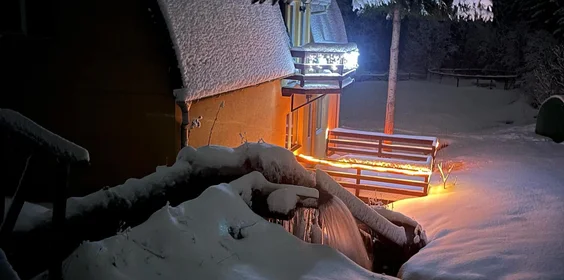
• cosy guesthouses and family-run inns
• rural chalets
• campsites and agritourism units
Tourism Services
• tourist information centres in major towns
• the Visit Harghita app and website (visitharghita.com) provide bilingual information, events, accommodation, and attraction recommendations
• local travel organisers and guides offer organised programmes and equipment rental
Getting there and arrival
- Walk
- Bike
- Bus (rented for the trip)
- Car
- Electric bicycle
- Horseback
- Paddling (kayak, canoe, boat)
- Railway
- Motorcycle
Transport options in the destination
- Walk
- Bike
- Bus (rented for the trip)
- Car
- Horseback
- Electric bicycle
- Paddling (kayak, canoe, boat)
- Public bus transportation
- Motorcycle
Sights, programs
All
Accommodations
What will you find here?
-
Accommodations
-
-
Fontana Spa & Balneo Borsec
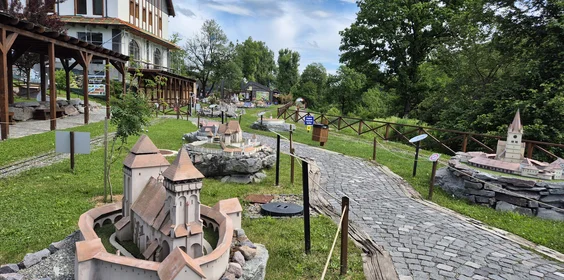
Mini Transylvania Park
Pauline Monastery
Korond Snail Hill
Székely Border Guard Memorial Centre
Lake Saint Anne
Mohos Peat Bog
Straw Hat Museum
Ugron Castle
Lázár Castle
Maroshévíz Folk Art Museum
Kováts Photography Museum
Szejkefürdő Mineral Water Museum
Székely Calvary and Ugron Chapel
Roman Catholic Church of Csíkkozmás (Church of Saints Cosmas and Damian)
Church of the Pilgrimage of Csíksomlyó
Mikó Castle
-
Activities
-
Event venues
Public transport
- railway
- bus
Parking information
- Free outdoor parking available
- Paid parking available
- Free bus parking available
- Electric car charging available (paid)
- Paid bus parking available
Sustainability status report
Topic 1: Destination Management 64%
- Visitor management: 3/5 70%
- Commitment and organization: 4/4 100%
- Design & development: 1/6 25%
- Monitoring and reporting: 1/4 25%
- Legal and ethical compliance: 2/2 100%
Topic 2: Nature and landscape 95%
- Nature and wildlife protection: 3/3 100%
- Nature and conservation: 4/5 90%
Topic 3: Environment and climate 61%
- Land use and pollution: 3/3 100%
- Water management: 2/5 50%
- Energy, sustainable mobility and climate change: 4/7 57%
- Adaptation to climate change: 1/2 50%
- Waste and recycling: 2/5 50%
Topic 4: Culture and traditions 100%
- Cultural heritage: 3/3 100%
- People and traditions: 4/4 100%
Topic 5: Social Welfare 65%
- Health and safety: 1/2 50%
- Local economy: 4/5 80%
- Socio-economic impacts: 1/2 50%
- Community participation: 3/4 75%
- Human dignity: 5/7 71%
Topic 6: Business and Communication 89%
- Business participation: 7/9 78%
- Information and marketing: 3/3 100%