Bükk Mountains
Nestled in the heart of the North Hungarian Mountains, the Bükk region is one of Hungary's most diverse and unspoiled natural landscapes. The area's tourist appeal lies in its unique karst formations, rich flora and fauna, and local communities that preserve traditions with a sustainable mindset. Its significance is reflected in its protection under the Bükk National Park, its status as the internationally renowned Bükk UNESCO Global Geopark, and its recognition as the Bükk Dark Sky Park for preserving a night sky free from light pollution.
Geological Features and Karst Formations
The structure and formation of the Bükk Mountains are unique in Hungary. The core of the range is predominantly composed of Mesozoic limestone, which, over millions of years, has been sculpted into stunning karst formations by the effects of water and carbon dioxide. The central part of the High Bükk is formed by the Bükk Plateau, surrounded by steep cliffs known as the Stone Ridges. The plateau is dotted with numerous sinkholes, dolines, depressions, and shafts that channel rainwater deep into the mountain.
This extensive karst system makes the Bükk a true land of caves, with over a thousand caves recorded in the area. Among them are the Bányász Cave, one of the deepest cave systems in the country, and the Szeleta Cave and Istállós-kő Cave, both of great importance for prehistoric research. The geological diversity is further enriched by the impressive cliffs of Bél-kő, the limestone tufa dams of the Szalajka Valley, and the unique karst springs of the Bükk.

The Edible Forest Programme and Sustainable Gastronomy
The Bükk region is committed to sustainable tourism that relies on local resources, with one of its most successful initiatives being the Edible Forest Programme. This initiative revives the traditional culture of forest foraging in a modern, eco-conscious way. Visitors can learn, under expert guidance, how to responsibly collect and use wild plants, mushrooms, berries, herbs, and edible flowers without harming nature.
The Edible Forest initiative is closely tied to local gastronomy. Nearby restaurants and eateries incorporate seasonally foraged forest ingredients into their menus, offering an authentic "from forest to table" experience. The programme places great emphasis on education, preventing overharvesting and raising awareness about the fragility of forest ecosystems.
In 2026, the programme was awarded first place in the Living Communities category of the Green Destinations TOP100 sustainable best practices competition.

Dark Sky Park and Night-Time Tourism
The inner, higher areas of the Bükk Mountains are among the least light-polluted regions in Hungary. Recognising this value, the area was awarded the title of Bükk Dark Sky Park, dedicated to preserving and showcasing the natural darkness of the night sky. The clarity of the night sky is vital not only for nocturnal wildlife such as insects and bats but also for fostering a unique branch of sustainable ecotourism.
The centrepiece of astronomical tourism in the region is the Bükk Observatory, located near Répáshuta. This complex features interactive exhibitions, an immersive planetarium, and a professional telescope park. Visitors can observe solar activity during the day and marvel at the Milky Way, planets, and deep-sky objects at night, combining scientific education with nature-based experiences.

The Living Gateways of the Bükk: Tradition, Culture, and Hospitality on the Mountain's Edge
The two key cities and cultural hubs serving as gateways to the mountains are Miskolc and Eger, located at the eastern and western entrances to the Bükk, respectively. Miskolc exemplifies the harmony of nature and urban culture, featuring the interactive Szeleta Park Visitor Centre, the Miskolctapolca Cave Bath, and the picturesque Lillafüred. Lillafüred, situated at the confluence of the Garadna and Szinva streams, is one of the Bükk's most stunning jewels, with its Neo-Renaissance Palace Hotel, Hámori Lake, Lillafüred Waterfall, and the Anna and St. Stephen Caves.
At the western foot of the mountains lies Eger, a city renowned for its history, wine, and thermal waters. Eger provides direct access to Bükk hiking trails and the region's mountain wine culture. In addition to the Eger Castle and historic city centre, the famous Valley of the Beautiful Women and local wineries are closely tied to the traditions of the Bükk Wine Region.
Beyond these gateway cities, the inner periphery of the Bükk is surrounded by numerous unique villages. Szilvásvárad is world-famous for the scenic Szalajka Valley, the Veil Waterfall, the forest railway, and the Lipizzaner stud farm. For those seeking relaxation and healing, Bükkszentkereszt offers rejuvenation with its subalpine climate and herbal traditions. Noszvaj is known for its cave dwellings and the De la Motte Castle, while also being a pioneer in sustainable rural tourism. Bélapátfalva attracts visitors with its 13th-century Cistercian Abbey beneath the cliffs of Bél-kő, and Felsőtárkány offers tranquil entry into the mountains with its lakeside promenade and nature trails.

The Bükk's Role in Sustainable Tourism
The Bükk region is an excellent model of how nature conservation and tourism development can work hand in hand. Within the region, narrow-gauge railways, extensive cycling routes, and well-marked hiking trails play a key role in reducing the impact of car traffic. The management of the geopark and national park places great emphasis on directing visitor flows to protect the most sensitive karst habitats and endangered plant species.
In line with the philosophy of the I-DEST Sustainable Tourism Portal, the Bükk is not just a destination but a responsibly managed ecosystem. Local artisanal products, herbal traditions, small-scale eco-tourism accommodations, and environmental education collectively ensure that the natural beauty and unique geological treasures of the Bükk region are preserved for future generations.
- Editorial Content -A0

Getting there and arrival
- Walk
- Bike
- Car
- Bus (rented for the trip)
- Electric bicycle
- Motorcycle
- Railway
Transport options in the destination
- Motorcycle
- Car
- Electric bicycle
- Bike
- Walk
- Public bus transportation
- Bus (rented for the trip)
Sights, programs
All

Accommodations
All
What will you find here?
-
Accommodations
-
-
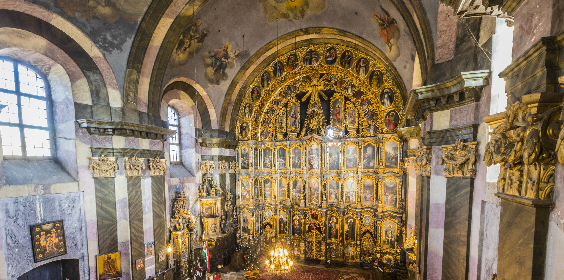
Holy Trinity Orthodox Church
Miskolctapolca Cave Bath
Bobpálya
Pannon Sea Museum
Boating Lake
The Park System of Miskolctapolca
Pauline Monastery Ruins of Szentlélek
Cross of Limpias
Archaeological Open Storage
Szeleta Park Visitor Center
MVK Zrt. Transport History Museum
Diósgyőr Paper Mill Museum of Papermaking and Special Collection
Herman Ottó Memorial House (Pele-lak)
Hungarian Museum of Technology and Transport Massa Museum
Selyemréti Beach Bath
Actor Museum - Thalia House
Forestry History Collection
Miskolctapolca Adventure Park
Lillafüred Waterfall
Tourinform Miskolc
Avas Arboretum
Szinva Nature Trail
Lillafüred Hanging Garden
Anna Cave
Szeleta Cave
Saint Stephen's Cave
Diósgyőr Castle
Synagogue
Avas Lookout Tower
Ruins of the Benedictine Abbey
St Anne's Church
Gallery
Újmassa Blast Furnace
Wooden Church
Déryné Street
Miskolc Ice Arena
Miskolc Gallery - Rákóczi House
Downtown Lutheran Church
Miskolc Gallery - Petró House
Acropolis Open-Air Stage
Miskolc Gallery - Feledy House
Church of the Holy Name of the Virgin Mary
Rock Chapel
Mining Collection
Miskolci Kalandpark
University of Miskolc
Mindszent Church
Field of Knightly Tournaments
Saint Stephen Square
Pope John Paul II Square
Széchenyi Street
Minorite Church
Tiszai Railway Station
Lillafüred Chairlift
Rooster Church
Hámori Lake
Gömöri Railway Station
Ellipsum
Deák Square
Avas Church and Bell Tower
City Hall
Lillafüred Forest Railway
Erzsébet Square
Szinva Terrace
Búza Square
Cathedral of the Assumption
National Theatre of Miskolc
Miskolc Zoo
Sötétkapu
Heroes' Square
Horváth Hill
Weidlich Palace
People's Garden
Lovers' Bridge
Zsófia Lookout Tower
Bulgárföld Black Poplar
Villanyrendőr
Dénes Kemény Municipal Sports Swimming Pool
News


Public transport
- railway
- bus
Parking information
Parking in the Bükk region is generally well-organised, especially at major tourist sites. Typical parking options include: free outdoor parking paid parking at popular attractions bus parking for groups hotel parking electric vehicle charging combined with parking In many nature-based hiking areas, free forest parking is available.
- Guarded open parking
- Electric car charging available (paid)
- E-bike charging available
- Paid parking available
- Free outdoor parking available
Sustainability status report
Topic 1: Destination Management 81%
- Visitor management: 3/5 80%
- Commitment and organization: 2/4 75%
- Design & development: 4/6 75%
- Monitoring and reporting: 3/4 75%
- Legal and ethical compliance: 2/2 100%
Topic 2: Nature and landscape 73%
- Nature and wildlife protection: 1/3 67%
- Nature and conservation: 3/5 80%
Topic 3: Environment and climate 82%
- Land use and pollution: 1/3 67%
- Water management: 4/5 80%
- Energy, sustainable mobility and climate change: 5/7 71%
- Adaptation to climate change: 2/2 100%
- Waste and recycling: 4/5 90%
Topic 4: Culture and traditions 100%
- Cultural heritage: 3/3 100%
- People and traditions: 4/4 100%
Topic 5: Social Welfare 85%
- Health and safety: 2/2 100%
- Local economy: 3/5 80%
- Socio-economic impacts: 2/2 100%
- Community participation: 3/4 75%
- Human dignity: 5/7 71%
Topic 6: Business and Communication 89%
- Business participation: 7/9 78%
- Information and marketing: 3/3 100%